Dreaming about pines, views, and cooler summer air? Buying a mountain home in Woodland Park can be exciting, but it also comes with practical details that matter more here than they might on a flatter suburban lot. If you want to enjoy the lifestyle without getting surprised by driveway, water, septic, or winter-access issues, this guide will help you know what to look for before you buy. Let’s dive in.
Why Woodland Park draws buyers
Woodland Park offers a mountain setting with practical access to the Pikes Peak region. The city sits about 30 minutes northwest of Colorado Springs, at roughly 8,500 feet above sea level, and is surrounded by about 1,000,000 acres of Pike National Forest.
That mix appeals to buyers who want both scenery and day-to-day function. Woodland Park is also described by the city as a bedroom community, which helps explain why many buyers look here for a lifestyle change while still keeping access to work, services, and the broader Colorado Springs area.
The local housing picture also shows a market with a strong ownership base. Census QuickFacts reports an estimated 2024 population of 8,043, an owner-occupied housing rate of 76.5%, and a median owner-occupied home value of $549,200.
Mountain lots work differently
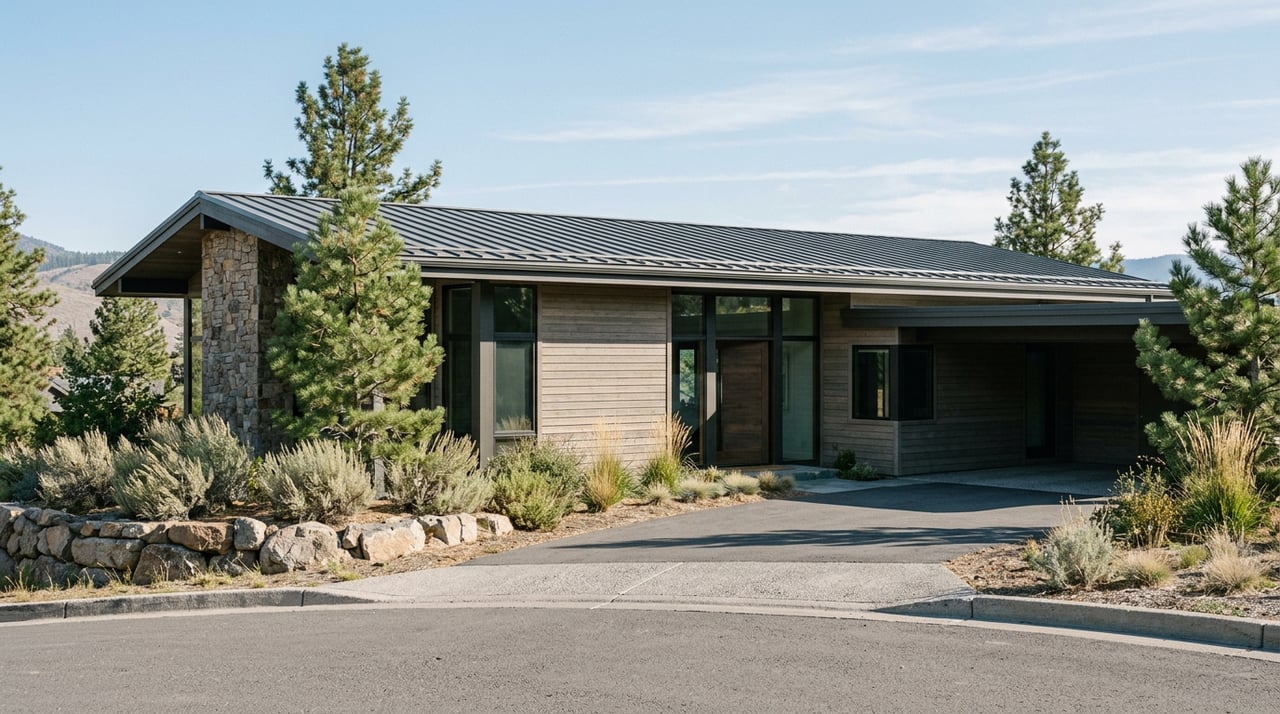
One of the biggest things to understand about buying a mountain home in Woodland Park is that the lot itself can shape your costs, maintenance, and long-term plans. Sloped terrain, drainage, tree coverage, and access often matter just as much as the house.
Woodland Park’s single-family permit standards reflect that reality. The city’s application materials call for details like finished-floor and foundation elevations, driveway grades, slope breaks, tree-protection areas, retaining walls, slope stabilization, and the location of wells or septic fields within 100 feet of the graded area.
This tells you something important as a buyer: mountain properties often need more site-specific review than homes on standard subdivision lots. If a property has a steep driveway, a cut into the hillside, or visible retaining walls, those are not minor details. They are part of the home’s function and safety.
Check slope, grading, and retaining walls
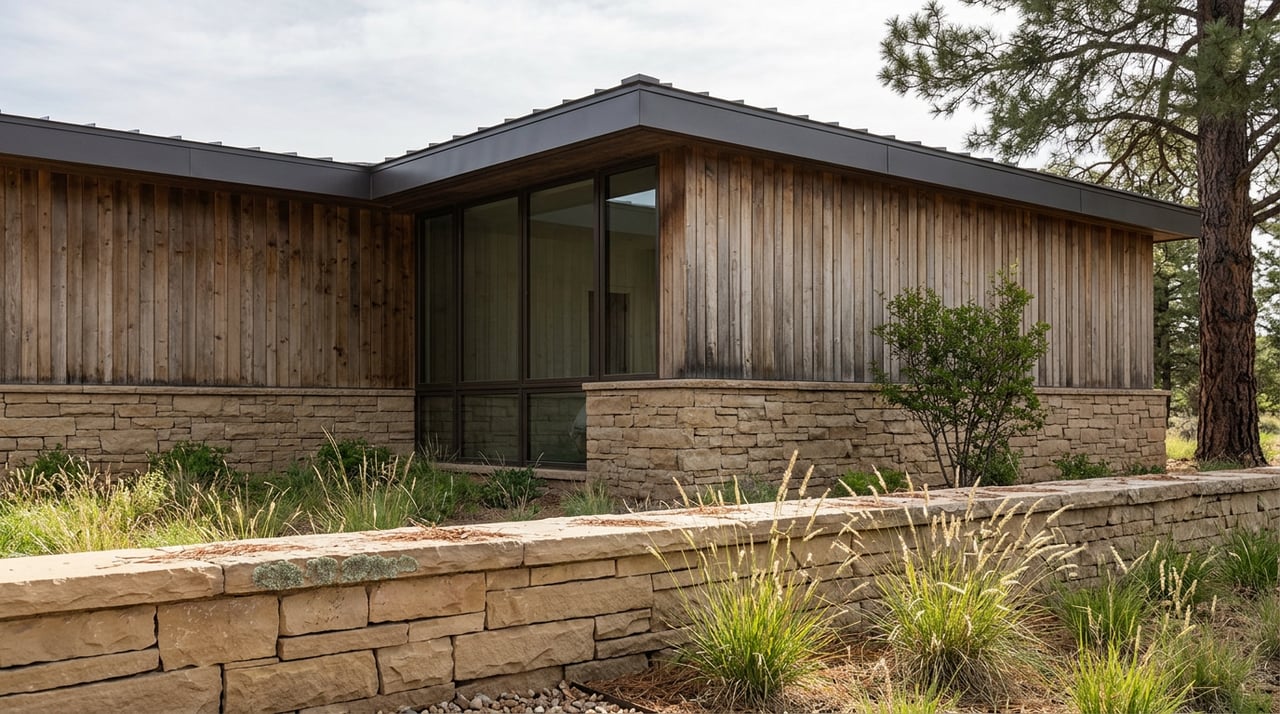
In Woodland Park, grading rules generally limit unarmored slopes and fills to a 3:1 grade. Retaining walls over four feet require engineer certification.
That means you should ask clear questions if the lot has any major grading work or structural landscape features. Find out what was added, whether permits were pulled, and whether any engineering documents are available for review.
This matters even more if you are buying a home with past additions or outdoor improvements. Decks, garages, sheds, grading changes, and wall systems can all affect drainage patterns, access, and future maintenance.
Driveway access matters more than you think
A long or steep driveway may feel charming in summer, but winter can quickly change your perspective. Woodland Park’s permit language says driveway grades may not exceed 6% in the public right-of-way or 17% between the right-of-way and the garage or structure.
The city also notes that driveways longer than 150 feet require review by the Northeast Teller County Fire Protection District. If a driveway crosses a drainage ditch, permit materials also call for a culvert.
For you as a buyer, the takeaway is simple. Ask whether the driveway is easy to navigate in snow, whether there is enough room for safe turnaround, and whether the access supports emergency response and everyday winter use.
Utilities may not be as simple
Some Woodland Park homes are on city water and sewer, while others may rely on a private well, septic system, or a mix depending on the property. You should confirm exactly what serves the home before you move too far into the buying process.
Woodland Park states that about two-thirds of its raw water comes from local wells and springs, with about one-third imported through transbasin rights. For private systems, Teller County regulates onsite wastewater treatment systems, and the Colorado Division of Water Resources requires permits for new groundwater wells.
The well file may include useful records such as allowable uses, construction details, and pump records. Those records can help you understand whether the well setup matches the property’s current use and your expected needs.
Questions to ask about a private well
If the property uses a private well, do not treat it like a mystery box. Ask for documents early so you can understand the system and avoid last-minute surprises.
Key questions include:
- Is there a well permit on file?
- What do the construction records show?
- How old is the pump?
- What information is available about the pressure tank?
- Are there recent water-quality test results?
- Do the well’s legal uses match how the home is being used?
The Colorado Division of Water Resources says each new groundwater well needs a permit, and the well file may include construction and pump records. CSU Extension also notes that laboratory analysis is the reliable way to judge drinking-water suitability.
Questions to ask about septic
If the property is not connected to city sewer, septic due diligence becomes a big part of your purchase. You want to know not just whether the system exists, but how it has been maintained and whether there is a history of issues.
Ask the seller:
- When was the system last inspected?
- When was it last pumped?
- Where is the drainfield located?
- Is the system conventional or alternative?
- Have there been any repairs, backups, or flood or fire damage?
Teller County regulates onsite wastewater treatment systems locally, and its septic rules continue to be updated to remain as strict as state Regulation 43. That makes local records and maintenance history especially important when you evaluate a property.
Winter access should be part of your budget
Snow is not an occasional inconvenience in Woodland Park. It is part of mountain living, and you should plan for it before you buy.
The city begins plowing once 4 inches of snow has accumulated or when conditions require, and it plows all public roads within city limits. The city does not plow county or state roads, and US-24 and CO-67 are maintained by CDOT.
Woodland Park also advises residents to expect mountain-road conditions and to be prepared for traction and chain laws from September through May. If a home is on a private road or outside the city-maintained system, ask who handles snow removal and how consistent that service is.
Wildfire readiness is a must-have conversation
Wildfire is one of the most important inspection and planning topics for Woodland Park buyers. The city notes that the local dry, windy climate makes wildfire a real concern.
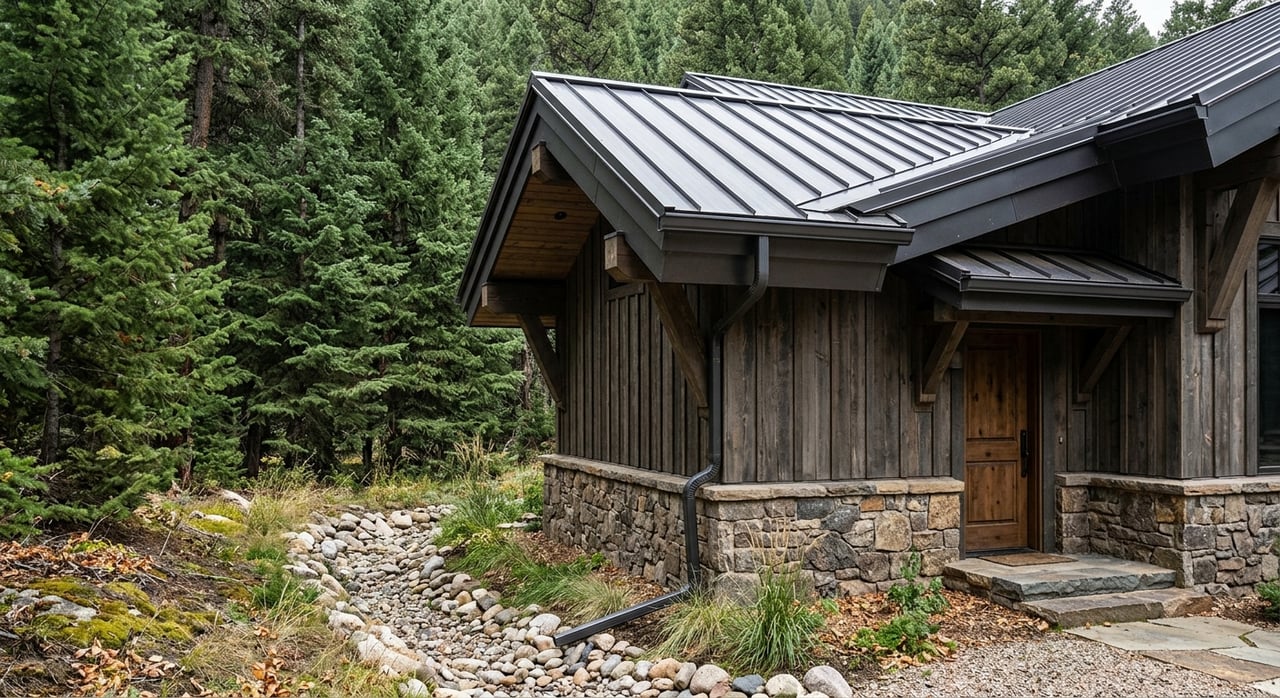
Colorado State Forest Service guidance recommends several features and maintenance items that can improve a home’s resilience. These include a Class A fire-rated roof, clean gutters, screened vents, tempered-glass windows, and defensible space zones of 0 to 5 feet, 5 to 30 feet, and 30 to 100 feet around structures.
When you tour a home, look beyond the floor plan and finishes. Ask how the exterior has been maintained, whether trees and brush are managed near the structure, and whether vents, roofing, and windows appear aligned with wildfire-conscious upkeep.
Water restrictions can affect outdoor plans
Many buyers picture a mountain home with a big green yard, but local water rules may shape what is realistic. Woodland Park currently lists Level 2 water restrictions.
Those rules limit turf watering to two days per week on designated days and prohibit watering from noon to 6 p.m. during May through September. New lawns are also capped at 2,500 square feet of spray-irrigated area, and homes completed after June 21, 2002 must submit an irrigation sketch plan for approval.
If outdoor living is a priority for you, review the landscaping with those rules in mind. A property’s existing yard, irrigation setup, and future plans should fit local restrictions and maintenance expectations.
Permit history can reveal a lot
Mountain homes often evolve over time. Owners add decks, sheds, garages, retaining walls, driveways, and grading changes, sometimes in phases.
That is why permit history matters. Woodland Park’s Planning and Building Department says zoning development permits are used for many of these projects, while Pikes Peak Regional Building Department handles building services for new construction, remodels, additions, and other structural changes.
Ask for records on additions and site work, not just the main house. A beautiful setup can still deserve a closer look if key improvements were made without clear documentation.
A smart Woodland Park buying checklist
Before you buy a mountain home in Woodland Park, make sure you have answers to the basics:
- Is the home on city water and sewer, or well and septic?
- If there is a well, do permit and construction records exist?
- If there is a septic system, when was it last inspected and pumped?
- Who maintains the road and who clears snow?
- Does the driveway work well in winter and for emergency access?
- Are there retaining walls, grading work, or drainage features to review?
- Are permits available for additions, decks, sheds, garages, and site improvements?
- Are buried utility lines or easements clearly identified?
- Does the property show signs of wildfire-conscious maintenance?
- Will current landscaping and irrigation fit local water restrictions?
A mountain property can be a great fit, but the best purchases usually come from asking better questions, not just moving faster.
Why local guidance helps
Buying in Woodland Park is not just about finding a home with views. It is about understanding the lot, the systems, the roads, and the seasonal realities that come with mountain living.
That is where local market knowledge can make a real difference, especially if you are relocating, buying on a tight timeline, or comparing Woodland Park with Colorado Springs-area options. A buyer-focused process can help you sort through the details, ask the right questions, and move forward with more confidence.
If you are thinking about buying a mountain home in Woodland Park, Janet Mall can help you build a clear search plan, evaluate properties with local context, and navigate the process with responsive, practical guidance.
FAQs
What should you know before buying a mountain home in Woodland Park?
- You should review access, slope, drainage, utilities, permit history, wildfire readiness, and winter maintenance before you buy.
What utility systems are common in Woodland Park homes?
- Woodland Park homes may use city water and sewer or private systems such as a well and septic, so you should verify exactly what serves the property.
What driveway rules affect Woodland Park mountain properties?
- Woodland Park states that driveway grades may not exceed 6% in the public right-of-way or 17% between the right-of-way and the garage or structure, and longer driveways may need fire district review.
What should you ask about a private well in Woodland Park?
- Ask for the well permit, construction records, pump age, pressure-tank details, recent water-quality tests, and confirmation that legal well uses match the home’s needs.
What should you ask about a septic system in Teller County?
- Ask when the septic system was last inspected and pumped, where the drainfield is located, what type of system it is, and whether there is any history of repairs, backups, or damage.
How does snow removal work in Woodland Park?
- The city plows public roads within city limits after 4 inches of snow accumulates or when conditions require, but county roads, state roads, and private roads may be maintained by others.
Why is wildfire due diligence important for Woodland Park buyers?
- Wildfire is a real concern in Woodland Park’s dry, windy climate, so buyers should evaluate defensible space, roof materials, vents, gutters, and exterior maintenance during inspections.