Thinking about selling your acreage in Black Forest but not sure where to start? You are not alone. Acreage and horse‑friendly properties draw lifestyle buyers with specific needs, and the details feel overwhelming when you are juggling wells, septic, barns, and wildfire questions. In this guide, you will learn exactly how to prepare, market, and present your Black Forest property so you attract serious buyers and close with confidence. Let’s dive in.
Know your Black Forest buyer
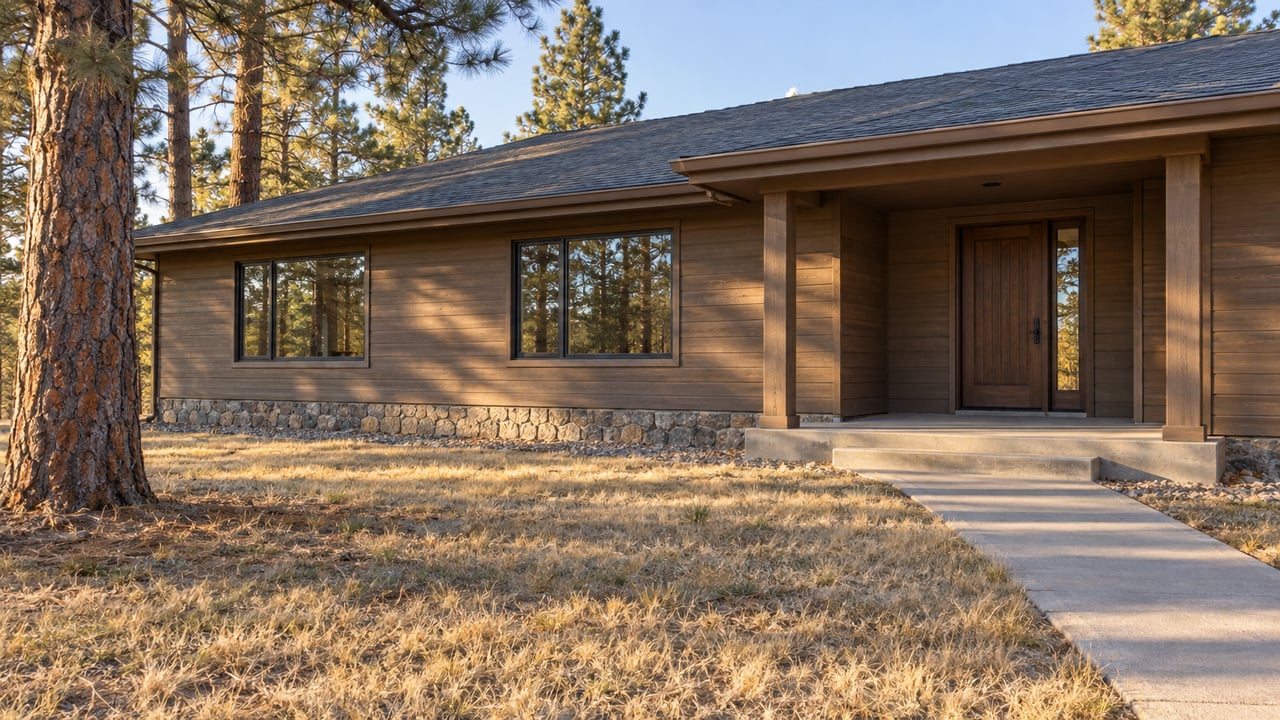
Black Forest buyers come for privacy, mature pines, and usable land. Many expect mountain views, fenced pastures, and functional barns or sheds. If your property fits equestrian or hobby‑farm needs, clear information on acreage layout and horse use is a must.
Wildfire history is also top of mind. The 2013 Black Forest Fire burned thousands of acres and destroyed homes across the area. Buyers now ask about defensible space, mitigation work, and water availability for fire response. You set the tone by sharing what you have done to reduce risk and by providing documentation that backs it up.
Finally, remember that Black Forest is unincorporated. County rules, not city codes, guide land use, driveways, and septic. Position your home with local facts and you remove doubt right away.
Confirm what your land allows
Zoning and horse use
Your marketing should match what is legally allowed on your parcel. Black Forest is under the El Paso County Land Development Code, which includes rules for private stables, corrals, and siting around septic systems. Review your parcel’s zoning and permitted uses in the county code so you can accurately advertise horse capacity, stall counts, and corral locations. You can confirm standards in the county’s Land Development Code Chapter 5 for animal uses and setbacks. Check the El Paso County Land Development Code.
Water and septic basics
Many acreages run on a private well and an onsite wastewater treatment system. Buyers will ask for pump test results, potability reports, and OWTS records. Get ahead of it by ordering a well pump test and current water quality test and by pulling your septic file from El Paso County Public Health. Their site explains OWTS records, inspections, and property‑sale paperwork. See the county OWTS program and records. For guidance on well testing and post‑wildfire considerations, review EPCPH’s information page for real estate water testing. Review EPCPH well and OWTS guidance.
Access and driveway readiness
Access can boost or limit perceived value. If your driveway ties into a county road, an access permit may be part of your history. Buyers and their lenders will ask who maintains the road, whether there is a recorded road agreement, and if emergency vehicles can reach the home. The El Paso County Engineering Criteria Manual outlines driveway and approach standards that influence safety and showability. View the county Engineering Criteria Manual.
Prep that pays off
Pre‑list inspections and documents
Do these first to reduce surprises and speed up negotiations:
- OWTS and septic: Request your EPCPH property file and schedule a certified OWTS inspection if records are missing or old. Keep any permits, repair receipts, and acceptance paperwork together. Start with the EPCPH OWTS page.
- Well and water: Pull the well permit and log, then order a pump test and bacteria and nitrate water tests. Include the full lab report in your packet. See EPCPH’s real estate water testing guidance.
- Barns and fencing: Inspect barns, arenas, run‑ins, and gates. Repair broken boards and sagging wire before photos and showings. Note that stables and corrals should not be sited over your OWTS area per county code. Confirm siting rules in the LDC.
- Wildfire mitigation: Schedule a Firewise or rapid wildfire risk assessment and gather receipts for any chipping or thinning. Buyers appreciate third‑party documentation and before‑and‑after photos. Learn about local Firewise assessments and resources.
Exterior and land tune‑up
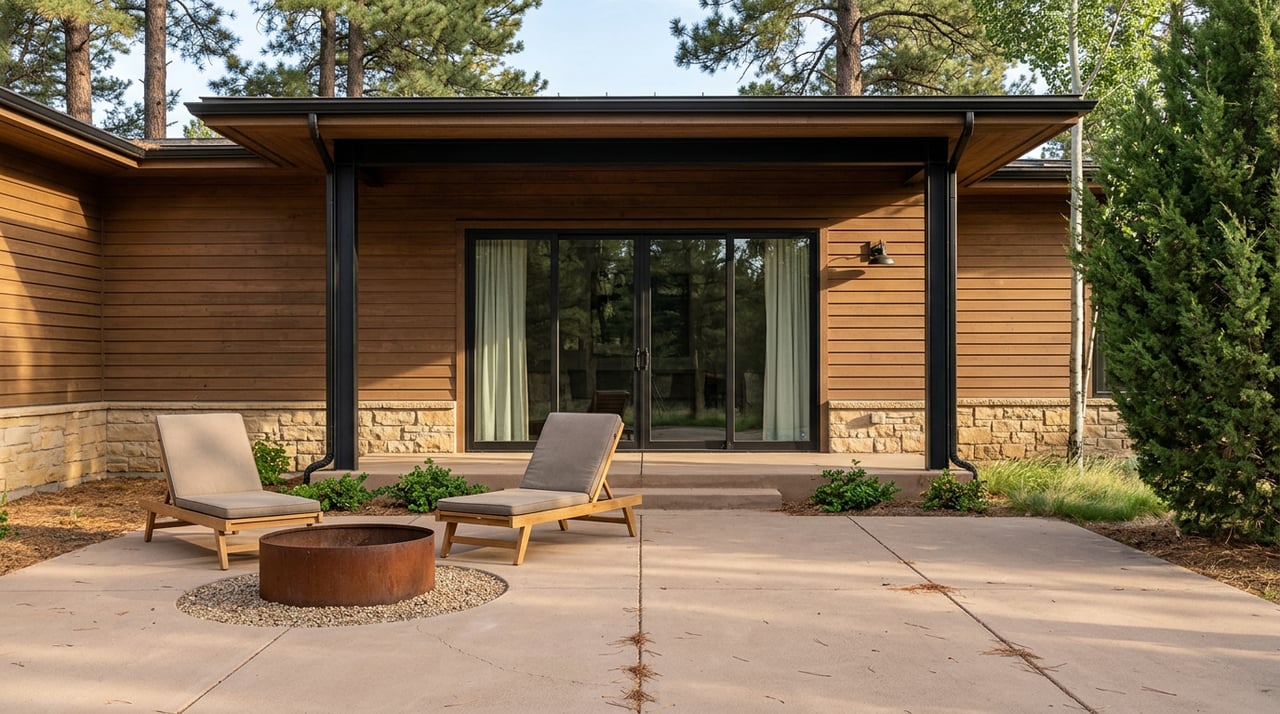
First impressions start at the gate. A clean, defined landscape tells buyers your acreage is easy to manage.
- Clear sightlines and mow around the home, patios, and walkways. Show where people will gather.
- Tidy barns and paddocks. Remove manure near paths, stalls, and show areas to reduce odors.
- Repair entry gates, address markers, and fencing. Make sure larger vehicles can turn around.
- Highlight trailer access, arena surfaces, and water spigots with a labeled site map.
Organize your listing packet
Give buyers the facts up front to reduce friction. Include:
- Survey or boundary map and any recorded plat.
- CCRs or HOA covenants if applicable.
- Well permit, well log, and recent water quality or pump test results.
- OWTS permit and as‑built, repair records, and EPCPH property‑sale paperwork.
- Maintenance invoices for barns, fencing, arenas, and wildfire mitigation work.
- Road maintenance agreements for private roads.
- A list of equipment that conveys with the sale.
- Recent property tax and special district statements.
Create standout visuals
Photography and floor plans
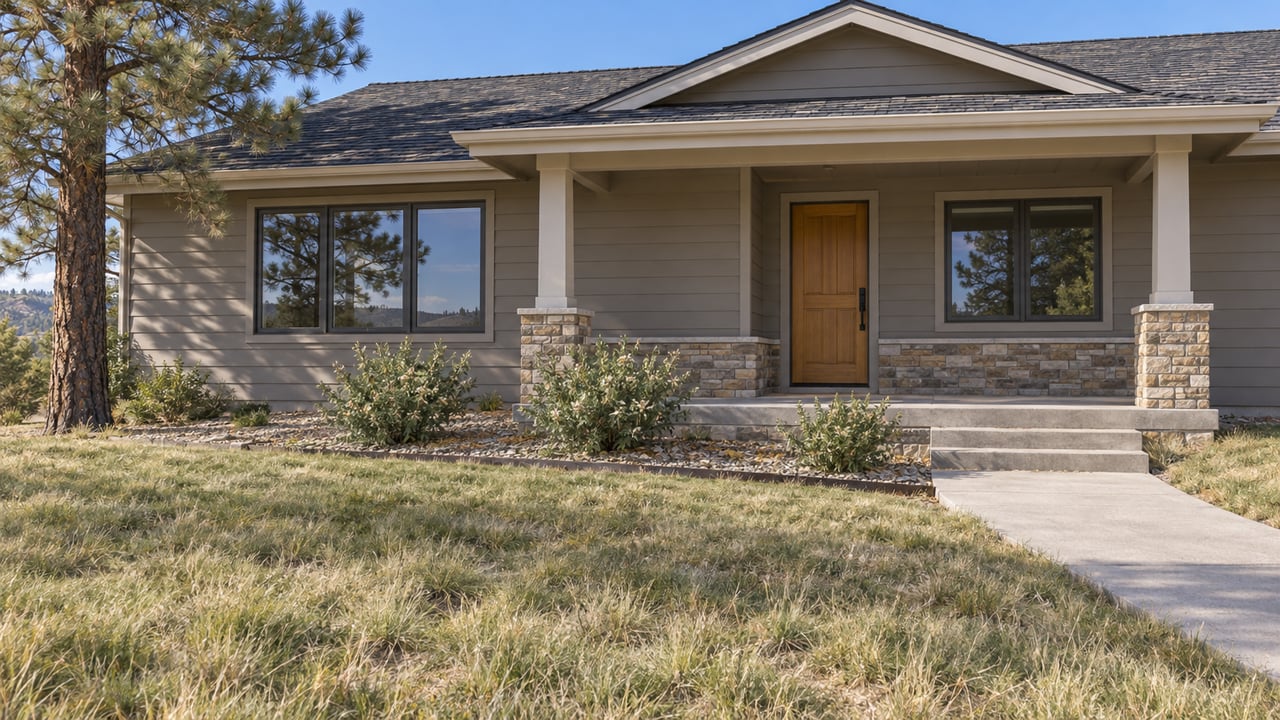
Invest in professional HDR photography that shows the home in context on the land. Your primary image should reveal the house, driveway, trees, and usable acreage. Add floor plans and a 3D tour for out‑of‑area buyers who may evaluate your property remotely.
Drone with compliance
Aerial photos help buyers understand layout, access, and improvements in seconds. Only allow drone flights by a licensed, insured Part 107 pilot. Agents should verify Remote ID and registration compliance and maintain proof of certification. Review FAA Part 107 rules for commercial drone use.
Map the lifestyle
Create an annotated aerial with parcel boundaries, driveway, barn and stall counts, paddocks, arena size and surface, water sources, and storage areas. This single image may be the most shared asset in your entire campaign.
Reach the right buyers
MLS and key fields
List on the local MLS to ensure full market exposure and syndication. Complete acreage‑specific fields accurately, including lot size, outbuilding types, stall counts, fencing, arena notes, and utility info for well and septic. Use clear, verifiable details in the remarks.
Land and equestrian channels
Supplement MLS with a dedicated land marketplace to reach buyers who filter for acreage and horse properties. The Land.com family of sites is a common choice for this niche. See an overview of listing on the Land.com network.
Use local equestrian Facebook groups, riding‑club newsletters, and regional horse‑sale boards to spotlight arena features, turnout, and trailer access. Stay factual and avoid overstating capacity until zoning and use are confirmed.
Smart social targeting
Run social ads that target interests like horse ownership, trail riding, and rural lifestyle within a drive‑time radius of Colorado Springs, Pueblo, and Denver. Short lifestyle videos that show turnout, arena flow, and a drone sweep over the property earn strong engagement.
Pricing for acreage value
What drives value
Acreage pricing hinges on usable acres, water availability, barn and arena quality, fencing and cross‑fencing, access and road conditions, and wildfire mitigation status. Adjust simple price‑per‑acre thinking to reflect high‑value improvements.
Use the right comps
Work with an agent who understands both residential comps and land or ranch comparables. Separate bare‑land values from the home and improvements so buyers see the full picture. Market numbers shift quickly, so confirm the latest comps right before you go live.
A simple 8‑week timeline
- Weeks 1 to 2: Pull EPCPH OWTS records, order OWTS inspection if needed, request well permit and log, schedule pump and water tests, schedule wildfire assessment. Start with EPCPH OWTS and EPCPH water testing guidance.
- Weeks 2 to 4: Complete repairs for barns, fencing, gates, and arena surfaces. Begin mitigation work and haul slash to county programs where available. See the county slash and mulch program.
- Week 4: Verify road or driveway maintenance details and assemble any recorded road agreements. Consult the Engineering Criteria Manual if you plan access upgrades.
- Week 5: Finalize your listing packet, including well and water results, OWTS paperwork, mitigation receipts, and a labeled aerial map.
- Week 6: Exterior cleanup wraps. Schedule professional photography, drone with a Part 107 pilot, floor plans, and a short lifestyle video. Review FAA Part 107 rules.
- Week 7: Launch your single‑property page, upload visuals, and draft MLS remarks that lead with acreage, barn and arena details, well and septic facts, and wildfire mitigation.
- Week 8: Go live on MLS, land marketplace, and targeted social. Share your site map and listing packet with buyer agents before showings.
Showing with safety in mind
Acreage showings can include livestock and equipment. Plan for safety so buyers feel comfortable and focused.
- Separate animals from viewing areas and post simple gate signs for agents.
- Keep aisles and gates clear. Remove trip hazards and secure tools.
- If a demo ride or arena schooling is requested, limit to qualified buyers with appointments and use a basic liability waiver.
Ready to list?
Black Forest properties sell best when you market the lifestyle and the facts side by side. Verify what your land allows, lead with water and septic documentation, and highlight wildfire mitigation. Then showcase your acreage with clear visuals and targeted distribution that reaches equestrian and rural buyers.
If you want a local plan tailored to your timeline, reach out. Janet Mall can help you confirm zoning and records, assemble a complete listing packet, and launch professional marketing that fits Black Forest buyers.
FAQs
What do Black Forest buyers expect to see in a listing packet?
- Well permit and log, recent pump and water tests, OWTS records and any acceptance paperwork, a labeled aerial site map, barn and fencing repair receipts, wildfire mitigation documentation, and any road maintenance agreements.
How should I document wildfire mitigation for buyers?
- Schedule a Firewise or rapid wildfire risk assessment and save receipts for thinning, chipping, or slash removal, plus before‑and‑after photos. Share a short summary in your listing and keep full documentation for showings. Learn about local Firewise assessments.
Can I claim my property is horse‑ready without checking zoning?
- No. Confirm your parcel’s zoning and permitted uses under the El Paso County Land Development Code before marketing stall counts or pasture capacity. Verify standards in the county LDC.
Do I need a licensed drone pilot for listing photos?
- Yes if the photos are for commercial marketing. Only allow flights by a licensed and insured Part 107 pilot, and ask your agent to verify compliance and insurance. Review FAA Part 107 rules.
Where can I find my septic system records in El Paso County?
- Start with El Paso County Public Health’s OWTS program. You can request your property file and follow their steps for real estate inspections or acceptance paperwork. Visit the OWTS program page.
What local factors affect my Black Forest home’s value most?
- Usable acres, well performance, septic type and condition, barn and arena quality, fencing and access, and documented wildfire mitigation typically have the biggest impact on value in Black Forest. For the best pricing strategy, use both residential and land or ranch comparables.