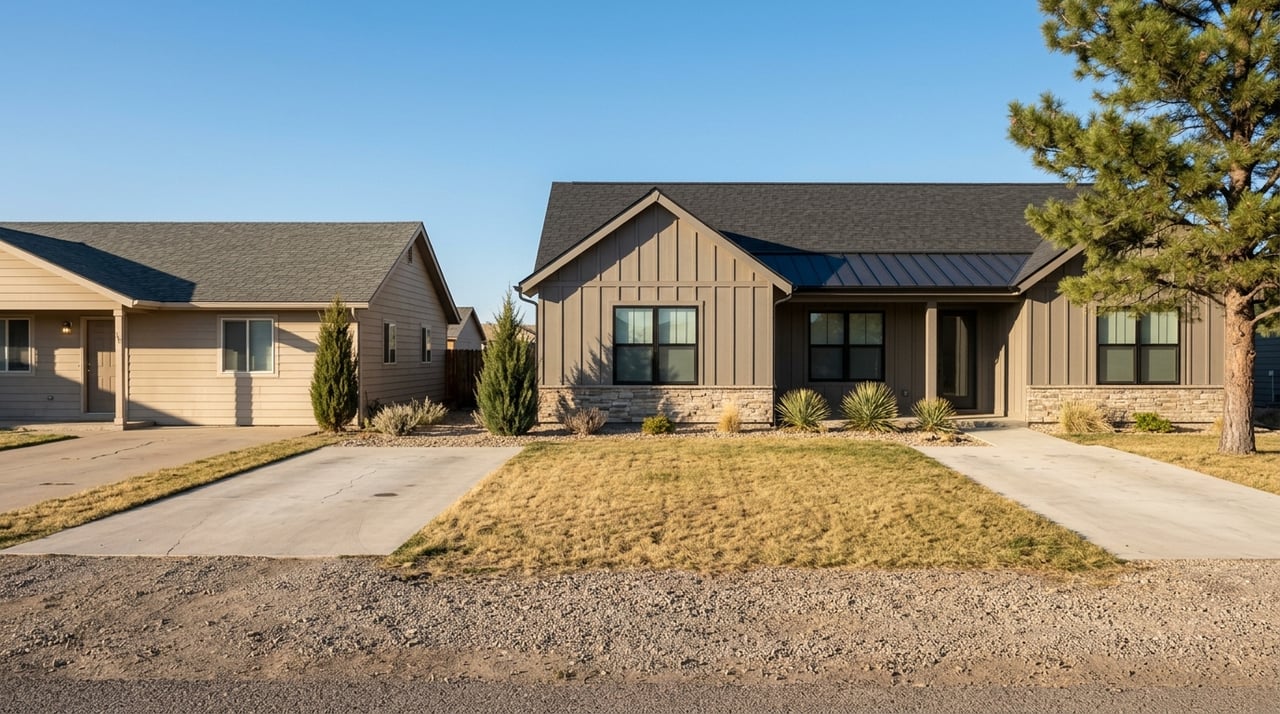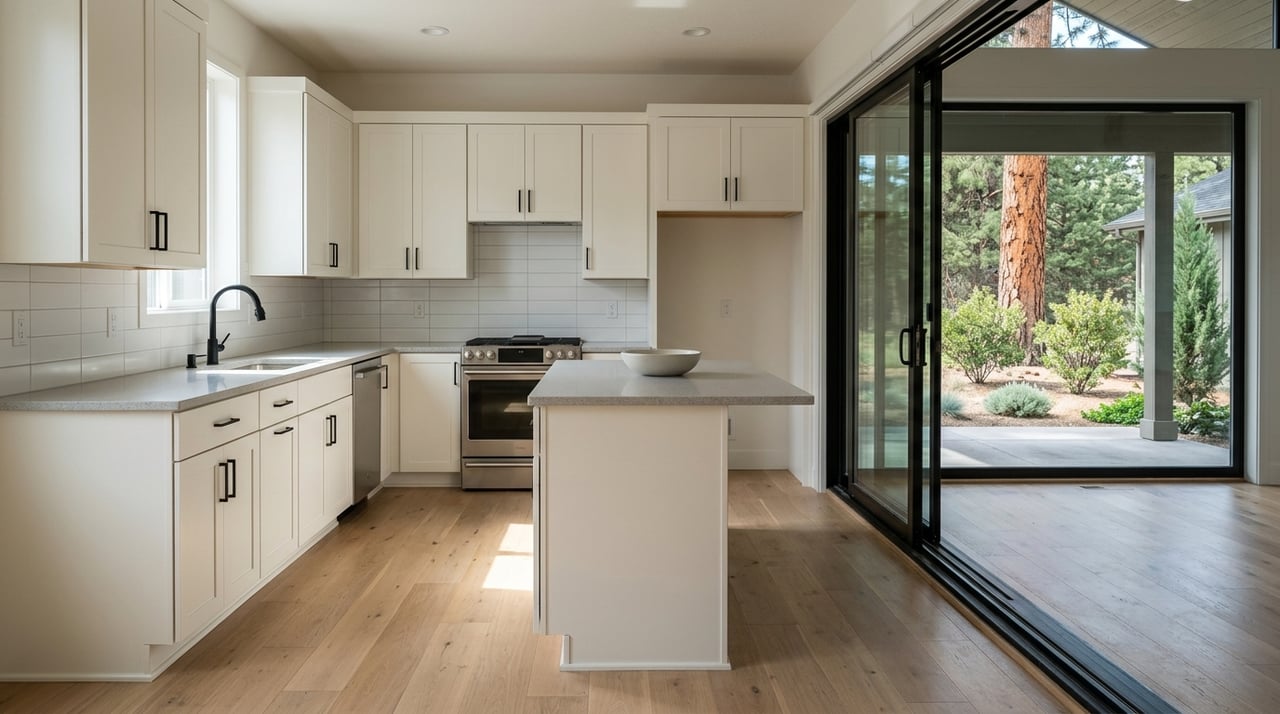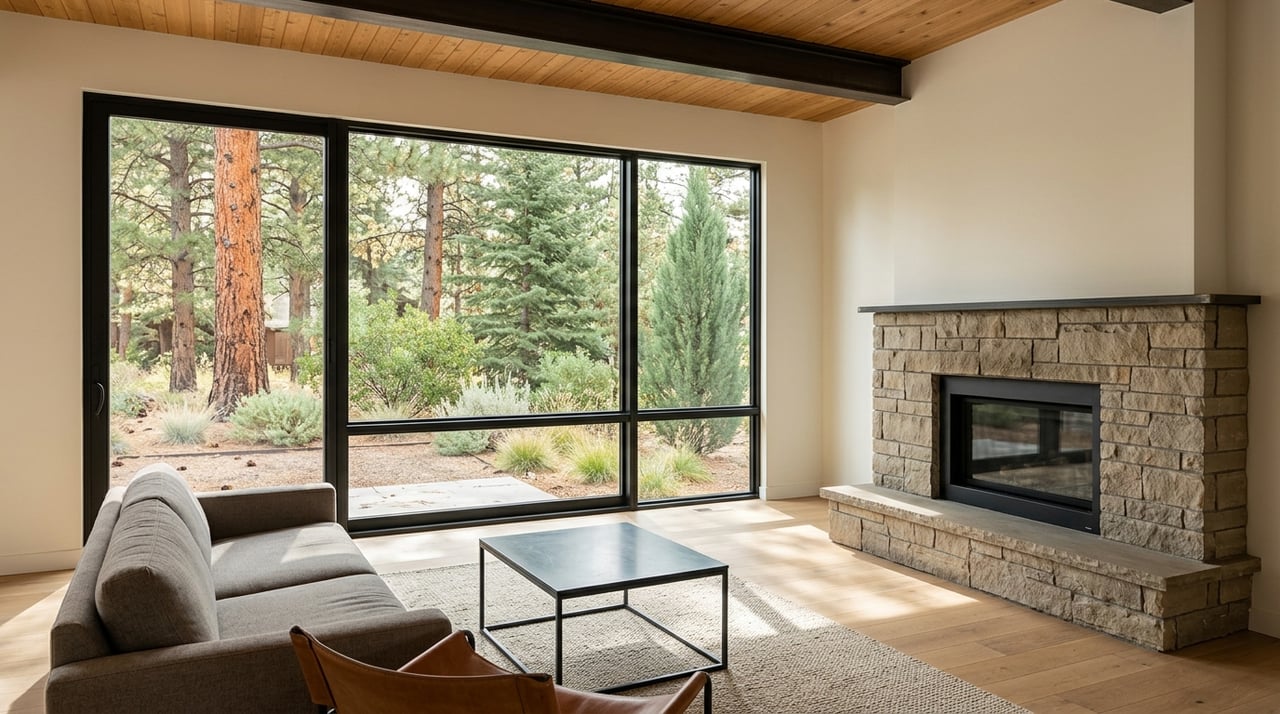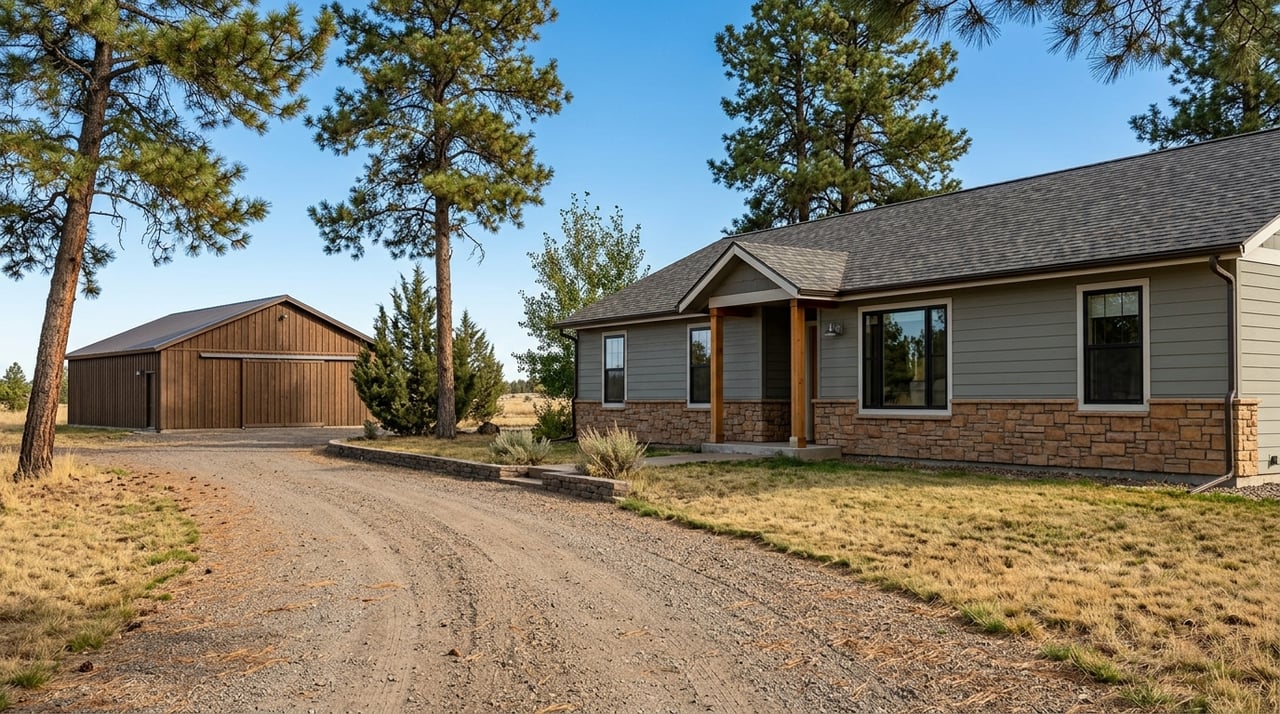
Thinking about selling an acreage home in Larkspur? You are not just putting a house on the market. You are selling land, access, utility systems, and a lifestyle that buyers will study closely. If you want a smoother sale and a stronger result, it helps to know what buyers care about most and how to prepare your property before it goes live. Let’s dive in.
Understand the Larkspur acreage market
Selling an acreage property in Larkspur is different from selling a typical suburban home. Buyers here often compare not just square footage and finishes, but also zoning, usable land, horse setup, water, septic, privacy, and road access. That means your home needs a pricing and marketing plan built for rural property, not a one-size-fits-all approach.
As of May 2026, Larkspur had 155 homes for sale, a median listing price of $1,099,500, 48 median days on market, and a 97% sale-to-list ratio. Realtor.com classifies the area as a buyer’s market. That tells you buyers have options, and pricing needs to be realistic from day one.
Larkspur acreage homes also tend to sit in a more specialized price range than the broader Douglas County market. Redfin reported Douglas County’s median sale price at $717,797 in May 2026. In other words, your property may need to stand out on features that matter specifically to acreage buyers.
Price acreage property carefully
Pricing is one of the biggest make-or-break decisions when you sell an acreage home in Larkspur. If you price too high, buyers may pass it over while they wait for a better fit. If you price based only on your home’s interior and ignore the land details, you can also miss the mark.
The Appraisal Institute notes that comparable sales should match location, size, condition, and features as closely as possible. With acreage homes, that becomes more challenging because no two properties are exactly alike. Differences in pasture quality, fencing, outbuildings, privacy, and access can shift value in a meaningful way.
A good pricing strategy should account for features like:
- Usable acreage
- Pasture condition
- Fencing quality
- Barns and outbuildings
- Water source
- Septic condition
- Driveway and road access
- Privacy
- Permitted uses under current zoning
Because Larkspur’s market is not acting like an overheated seller’s market, a conservative and data-driven price is often the smarter move. The 48-day median days on market and 97% sale-to-list ratio suggest buyers are paying close to asking price, but not typically far above it. That is why accuracy matters more than aspiration.
Highlight zoning and land use
One of the strongest selling points for many acreage homes in Larkspur is what the land may allow. In the town’s A-Agricultural district, permitted uses include single-family residences, grazing livestock and horses, stables, riding academies, horse training and breeding, accessory uses and buildings, and accessory dwelling units. In the E-Estate district, permitted uses include single-family residences, home occupations, accessory uses and buildings, and accessory dwelling units.
This matters because buyers shopping for acreage are often looking for more than space. They may want room for horses, a barn setup, guest space, multigenerational living, or simply a property with flexibility. When your listing clearly explains the property’s zoning and present use, it helps buyers quickly see whether the home fits their goals.
Be careful to market only what is supported by the current zoning and property setup. Clear, factual language builds trust and helps avoid confusion during showings and contract negotiations.
Prepare the land, not just the house
Acreage buyers usually start forming opinions before they ever walk through the front door. The driveway, fencing, pasture, and outbuildings all shape how the property feels. If the outdoor areas look neglected, buyers may worry about hidden maintenance issues.
Douglas County notes that noxious weeds can severely degrade agricultural lands and wildlife habitat. The county also says private landowners are responsible for controlling noxious weeds. If your property includes pasture or open land, weed control and basic land maintenance can improve both appearance and buyer confidence.
CSU Extension recommends practices such as maintaining healthy pastures, using weed-free inputs, rotating grazing, and avoiding overgrazing. Douglas County also notes that Colorado law still expects lawful fences and working gates. Before listing, it is worth checking that gates work smoothly, fence lines are intact, and land-use areas are easy for buyers to understand.
Get ahead of well and water questions
Water is a major issue on rural property, and buyers know it. In rural Douglas County, the county does not provide water services to many parcels, so properties often rely on a domestic well. That means buyers may ask detailed questions long before they write an offer.
Douglas County advises owners to verify water rights and well-permit limits because some permits are household-only and may not allow outdoor use or support animal needs. If your property is being marketed for horse or livestock potential, this point is especially important. Buyers will want to know what the current setup actually allows.
Before your home hits the market, gather the information a buyer is likely to request, including:
- The type of well permit in place
- Whether water rights are being conveyed
- Any known limits on outdoor water use
- Whether the current use matches the permit
Having these answers ready can save time and reduce uncertainty once showings begin.
Handle septic before listing
Septic is one of the biggest transaction issues for acreage homes in Douglas County. The county requires the seller to obtain a septic use permit before sale. That process uses a third-party NAWT-certified inspector.
Douglas County also recommends that septic tanks be inspected every four years. If your system has not been checked recently, waiting until you are under contract can create delays. It is usually better to address septic early so you know where things stand.
The county also warns that horses or other livestock should not be placed on the septic soil treatment area. If your land is set up for animals, make sure the use of the property does not create concerns in this area. A clean, well-documented septic process can make your listing feel more solid and more move-in ready.
Address access and road maintenance
Access matters more than many sellers realize. On acreage property, buyers often think beyond a sunny showing day and ask what the home is like in winter, during storms, or after dark. If roads are private, that can become a key part of the decision.
Douglas County notes that many rural roads are privately maintained and that residents or an HOA are usually responsible for snow plowing, grading, or paving. Buyers may want to know who maintains the road, how often it is serviced, and what access is like during snow season. The clearer you are about that up front, the better.
The county’s driveway permit guidance also notes that access is reviewed before permits are issued. If your driveway is steep, long, or shared, be ready to explain the setup clearly. Practical details like this help buyers understand the property as a full package.
Improve wildfire readiness
Wildfire mitigation can affect both buyer comfort and the overall marketability of a Larkspur acreage home. Douglas County says wildfire mitigation reviews consider driveway access, site location, building materials, and defensible space. Buyers looking at rural homes often pay close attention to these factors.
The county requires flammable material to be removed from the immediate 15 feet around the home, with additional thinning based on site conditions. If you have not tackled basic mitigation work yet, this is a smart area to address before listing. A cleaner, more defensible site can help the property show better and reduce red flags during due diligence.
Simple steps may include:
- Clearing flammable material near the home
- Trimming back dense vegetation where needed
- Making sure access routes are visible and usable
- Cleaning up brush around outdoor structures
Market the full lifestyle
Acreage homes sell best when buyers can picture how the whole property lives. That includes the home itself, but it also includes the approach, the views, the land layout, and the practical use of outdoor space. Your marketing should help buyers understand both the function and the appeal.
NAR’s 2025 Profile of Home Staging says 83 percent of buyers’ agents believe staging makes it easier for buyers to visualize a property as a future home. For an acreage listing, that idea should extend outdoors. Exterior spaces, outbuildings, and land-use zones all need to feel intentional and cared for.
That could mean:
- Cleaning up the driveway approach
- Defining outdoor living areas
- Organizing barns or shops
- Mowing or trimming around key paths
- Making pasture and paddock areas easy to read
- Presenting entry points and gates clearly
If the property supports horse use, accessory dwelling potential, guest space, or work-from-home flexibility under the current zoning, those details should be explained in a straightforward way. The goal is to tell a clear story that matches the property’s facts.
Expect more detailed buyer questions
Buyers usually look harder at acreage homes because there are more moving parts. A standard home inspection commonly covers structure, roof, plumbing, electrical systems, heating and air conditioning, interiors, insulation, and fireplaces. On acreage property, that is often just the starting point.
Douglas County’s rural living guidance encourages buyers to verify water, sewer, road, utility, ditch-company, well, telephone, and neighbor information. The county also warns that mail, internet, cell service, and trash pickup can be limited in rural areas. These are not side questions. For many buyers, they are central to daily life.
Common questions from buyers may include:
- Is horse use allowed under current zoning?
- What does the well permit allow?
- Are water rights being conveyed?
- Has the septic system been inspected and certified for sale?
- Who maintains the road in winter?
- What wildfire mitigation has been completed?
- How reliable are internet, cell service, mail, and trash service?
When you can answer these questions early, your listing feels more credible and easier to move forward with.
Do pre-listing work now
Even if you plan to sell as-is, buyers can still inspect the property and negotiate within the contract. That means deferred maintenance rarely stays hidden for long. On acreage homes, issues tied to septic, wells, access, weeds, fencing, or wildfire mitigation can become bigger obstacles than cosmetic items inside the house.
A strong pre-listing plan can reduce surprises and help your sale stay on track. It can also help your marketing feel more confident because you are working from facts, not assumptions. In a specialized market like Larkspur, that kind of preparation matters.
Selling an acreage home here takes more than a sign in the yard. You need pricing that reflects the land, marketing that explains the lifestyle, and preparation that answers buyer questions before they turn into deal killers. If you want help building a smart plan for your Larkspur property, reach out to Janet Mall for a free home valuation or relocation plan.
FAQs
What makes selling an acreage home in Larkspur different from selling a regular home?
- Acreage homes usually require more attention to zoning, usable land, well and septic details, access, fencing, pasture condition, and outdoor marketing than a typical neighborhood home.
What zoning details matter when selling a Larkspur acreage property?
- In Larkspur, A-Agricultural and E-Estate zoning can affect uses such as horse-related activities, accessory buildings, home occupations, and accessory dwelling units, so buyers will want clear information on what the property currently allows.
What should you fix before listing an acreage home in Douglas County?
- Focus first on high-impact items like septic readiness, weed control, fencing and gates, wildfire mitigation, driveway access, and gathering clear well and water documentation.
What water information do buyers want for a Larkspur acreage home?
- Buyers often want to know the well-permit type, whether there are water-use limits, whether water rights are being conveyed, and whether the current property use matches the permit.
What septic requirement applies when selling a home in Douglas County?
- Douglas County requires the seller to obtain a septic use permit before the sale, and the process uses a third-party NAWT-certified inspector.
Why does road access matter when selling a rural home in Larkspur?
- Many rural roads in Douglas County are privately maintained, so buyers often want to know who handles snow plowing, grading, paving, and general year-round access.
How should you market a horse-friendly property in Larkspur?
- Use factual language that explains the current zoning, land layout, fencing, outbuildings, access, and utility setup so buyers can understand how the property may support horse use or other rural living needs.