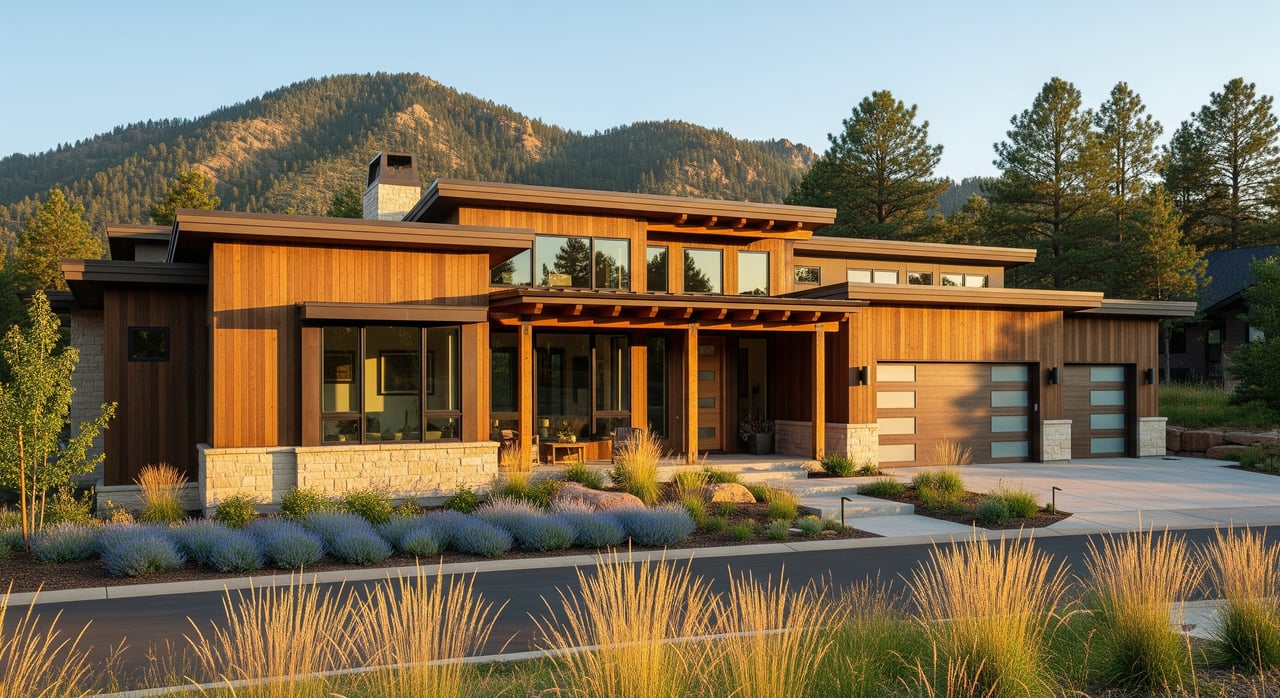
Should you build new in Larkspur or buy a resale and move right in? It is a big choice, especially when timing, budget, and commute all matter. You want the right home without surprises from soils, wells, or wildfire rules that are common in Douglas County. In this guide, you will learn how timelines, lots, costs, and inspections differ in Larkspur so you can match your goals to the best path. Let’s dive in.
New vs. resale at a glance
Larkspur offers three practical options that fit different priorities:
- Move-in-ready resale or finished spec home. Fastest timeline and mature landscaping. Fewer unknowns, but systems may be older.
- Production or semi-custom new build on a developer lot. Modern layouts and low maintenance, with a moderate wait and predictable process.
- Fully custom build on a private lot. Maximum control and lot choice, with the longest timeline and more variables to manage.
Your answer depends on how quickly you need to move, how much customization you want, your comfort with construction uncertainty, and the lot features you value.
Timing: how your move date shapes the choice
If your timeline is fixed or short, resale or a completed spec home is usually the best path. These homes often close in 30 to 60 days if financing and inspections stay on track. You can plan your move with fewer variables.
If you have a few extra months and want new systems and finishes, a production or semi-custom build can work. Builders with inventory lots or established models often quote about 3 to 9 months from contract to close, depending on selections and builder schedules.
If you want a custom home on your own lot, plan for 9 to 18 months or more. Site work, engineering, soils, and permits in Douglas County add steps that take time. Weather, inspections, and utility coordination can also affect the schedule.
What commonly delays new-build timelines
- Utility hookups, including water and sewer or design and approval of well and septic
- Engineering for foundation systems, slopes, and expansive soils
- Site prep, rock removal, grading, and retaining walls
- Weather impacts and supply chain delays
- Local plan review and inspection backlogs
Before you commit, ask builders for written timelines, standard allowances for delays, and contingency options if your move date changes.
Larkspur lots: what matters most
Larkspur spans foothills, pines, and rolling terrain. Beautiful settings come with practical trade-offs. Pay close attention to these lot factors because they drive cost, complexity, and your long-term enjoyment.
Water, sewer, and utilities
Parts of Larkspur connect to district water and sewer. Other areas use private wells and septic systems. Confirm the water source and sewer service for any lot, and ask about tap fees or permits. On rural parcels, learn the cost and timeline to extend electricity or gas if needed.
Soils and foundations
Douglas County often has expansive clay soils and shallow bedrock. For new builds, this can require specialized foundations and a geotechnical report. For resales, look for signs of settlement or cracking and review any past engineering or repairs.
Topography, drainage, and grading
Sloped lots can deliver views and privacy. They can also add cost for grading, drainage, and retaining walls. For resales, inspect how water moves on the site. Watch for pooling, downspouts that drain near the foundation, and grading that slopes toward the home.
Wildfire risk and defensible space
Larkspur sits in a wildland-urban interface. New builds may include ignition-resistant materials and landscape plans that support defensible space. Resale homes may need brush management or updates to meet insurance recommendations. Confirm any HOA rules on vegetation and exterior materials before you buy.
Easements, setbacks, and HOA rules
Utility and road easements can limit your buildable footprint. Covenants and HOA guidelines may govern exterior finishes, fencing, landscaping, and outbuildings. Verify these early whether you plan to build or add improvements to a resale.
Driveway access and winter maintenance
Check driveway slope, turning radius for delivery and emergency vehicles, and snow removal responsibilities. Confirm whether roads are county maintained or private. These details affect daily life and resale value.
Costs, incentives, taxes, and insurance
Price is more than purchase price. Compare the full picture so you understand net cost.
Builder incentives vs. resale concessions
Builders often offer incentives such as rate buydowns, closing cost credits, appliance packages, or upgrade promotions. These can change with the market and may require using a preferred lender or title company. For resales, sellers may contribute to closing costs, repairs, or a home warranty depending on local supply and demand.
Impact fees and special districts
New construction can come with development impact fees, water tap fees, and possible special district assessments. These can be substantial for previously undeveloped lots. For resales, confirm whether any special assessments exist and if they are paid.
Property taxes and insurance
New builds often see assessed values align with the purchase price, which may change at the next assessment. Tax rates vary by parcel. Insurance costs can be affected by wildfire exposure and distance from hydrants or district water. Some insurers may require mitigation measures.
Maintenance and operating costs
- New homes: fewer near-term repairs and warranty coverage for systems and structure. Plan for HOA dues and the cost to establish new landscaping.
- Resales: possibly lower price, but budget for roof, HVAC, appliances, windows, and other replacements sooner. A thorough inspection helps estimate near-term expenses.
Before you sign, compare net effective costs after incentives, upgrades, impact fees, taxes, insurance, and likely maintenance.
What to inspect: new builds vs. resales
Inspection goals differ by property type. Align your strategy to the risks you want to avoid.
Resale inspection priorities
- Foundation and grading: drainage away from the home, evidence of settlement, or poor compaction
- Roof and attic: ventilation, flashing details, and winter load performance
- Moisture management: window and siding flashing, gutter and downspout extensions
- Electrical and plumbing: panel capacity, safety devices, and older materials
- HVAC: proper venting, carbon monoxide detectors, and system age and function
- Radon: consider testing due to Colorado’s variable radon potential
- Pests and wildfire vulnerabilities: attic and crawlspace checks, defensible space
New-build inspection stages
Independent inspections help verify workmanship and code compliance. Consider staged reviews at:
- Pre-construction: plan and site grading review, including geotechnical findings
- Pre-pour or foundation: footings, reinforcing, moisture barriers
- Pre-drywall: framing, insulation, mechanical, electrical, and plumbing rough-ins
- Final walkthrough: full punch list before closing
- Warranty follow-up: an 11-month walkthrough for warranty claims
Ask the builder for warranty coverage details, response timelines, and who performs warranty work. Get all promises in writing.
Decision framework: match your goals to the right path
Use these profiles to narrow your choice.
- Choose resale or a completed spec home if you need to move in 30 to 60 days, want mature landscaping, and prefer fewer construction variables.
- Choose a production or semi-custom new build if you value modern plans, low near-term maintenance, and can wait several months while the home is built.
- Choose a custom build on a private lot if you want a unique setting or fully tailored design and accept longer timelines, higher site costs, and more coordination.
Quick yes or no checklist
- Do you have a fixed move date within 2 months? If yes, favor resale or a finished spec.
- Do you need a specific neighborhood or commute area? If yes, start with resales in that micro-market and add any builder lots nearby.
- Is customization essential? If yes, consider semi-custom or custom.
- Are you comfortable with permit and construction uncertainty? If not, pick resale.
- Is long-term low maintenance a priority? If yes, lean new construction.
- Do you want immediate privacy or mature trees? If yes, resale often wins.
Questions to ask before you commit
Asking the right questions up front will save you time, money, and stress.
Builder questions
- What is standard versus an upgrade, and how are change orders priced?
- What is the estimated build timeline, and what happens if dates are missed?
- What warranties are included, and who handles warranty repairs?
- Which utilities and tap fees are included, and which are paid by the buyer?
- Are there known site conditions, and is a geotechnical report available?
Listing agent or seller questions for resales
- Can you share prior inspection reports and seller disclosures?
- What is the age of the roof, HVAC, water heater, and windows?
- Have there been any foundation or water intrusion repairs?
- What are typical utility costs and any HOA dues or pending assessments?
County and district questions
- Is the lot served by a water and sewer district or will it require well and septic permits?
- What are current permit review timelines and impact fee schedules?
- Are there special district assessments now or planned?
- Are there local wildfire mitigation requirements or defensible space standards?
Commute and lifestyle fit in Larkspur
Larkspur is car oriented, with most daily travel by highway and surface roads. If your commute is a priority, map drive times at the hours you travel and note any construction or bottlenecks. Then weigh lot and neighborhood options that match your route so you do not trade a dream setting for a daily headache.
Your next steps
- Clarify your must-have timeline, budget, and location.
- Decide whether lot control, custom finishes, or quick move-in matters most.
- Price the full cost picture, including incentives, tap and impact fees, taxes, insurance, and near-term maintenance.
- Line up inspections that fit your path, from staged new-build reviews to full resale evaluations.
If you want a local, responsive guide who understands Larkspur lots, soils, and timelines, reach out to Janet Mall. We are a veteran-owned, neighborhood-focused team that will help you compare options, confirm local requirements, and move with confidence.
FAQs
How long does a new build usually take in Larkspur?
- Production or semi-custom builds commonly take several months, while custom homes on private lots can take 9 to 18 months or more depending on permits, site work, and weather.
What should I check first on a Larkspur lot?
- Confirm water and sewer availability, review geotechnical needs for soils and foundation, check easements and setbacks, and evaluate wildfire risk and defensible space requirements.
Are builder incentives common in Douglas County?
- Incentives like rate buydowns, closing cost help, or upgrade credits are common and change with the market, often tied to preferred lenders or title companies.
What inspections matter most for a resale in Larkspur?
- Focus on drainage and foundation, roof and attic, moisture management, electrical and plumbing safety, HVAC function, and consider radon testing.
Will wildfire risk affect my insurance in Larkspur?
- Yes, wildfire exposure and distance from hydrants or district water can influence coverage and premiums, and some insurers may require mitigation measures.
What fees can surprise new-build buyers?
- Development impact fees, water tap fees, and special district assessments can be significant on previously undeveloped lots, so get formal estimates before you sign.