Dreaming of elbow room, pine trees, and mountain views without giving up a reasonable drive to work or shopping? If so, Monument acreage might be the sweet spot you’re looking for. Buying land with space here is different from a suburban purchase, and a little prep goes a long way. In this guide, you’ll learn how acreage works in Monument, what to check for utilities and permits, and how to shop with confidence. Let’s dive in.
Why Monument acreage appeals
You get a foothills lifestyle with room to breathe and quick access to daily needs. Monument sits along I‑25 north of Colorado Springs. The drive to central Colorado Springs is about 20 miles and typically 20 to 30 minutes in normal conditions, according to drive-time estimates. Commutes to Denver are longer at roughly an hour or more in good traffic, so plan your schedule with seasons and weather in mind.
Day to day, you can run errands at retail centers around Jackson Creek and Baptist Road. Full hospital services are in Colorado Springs, which many acreage buyers accept as part of the tradeoff for space and quiet.
What “acreage” means in Monument
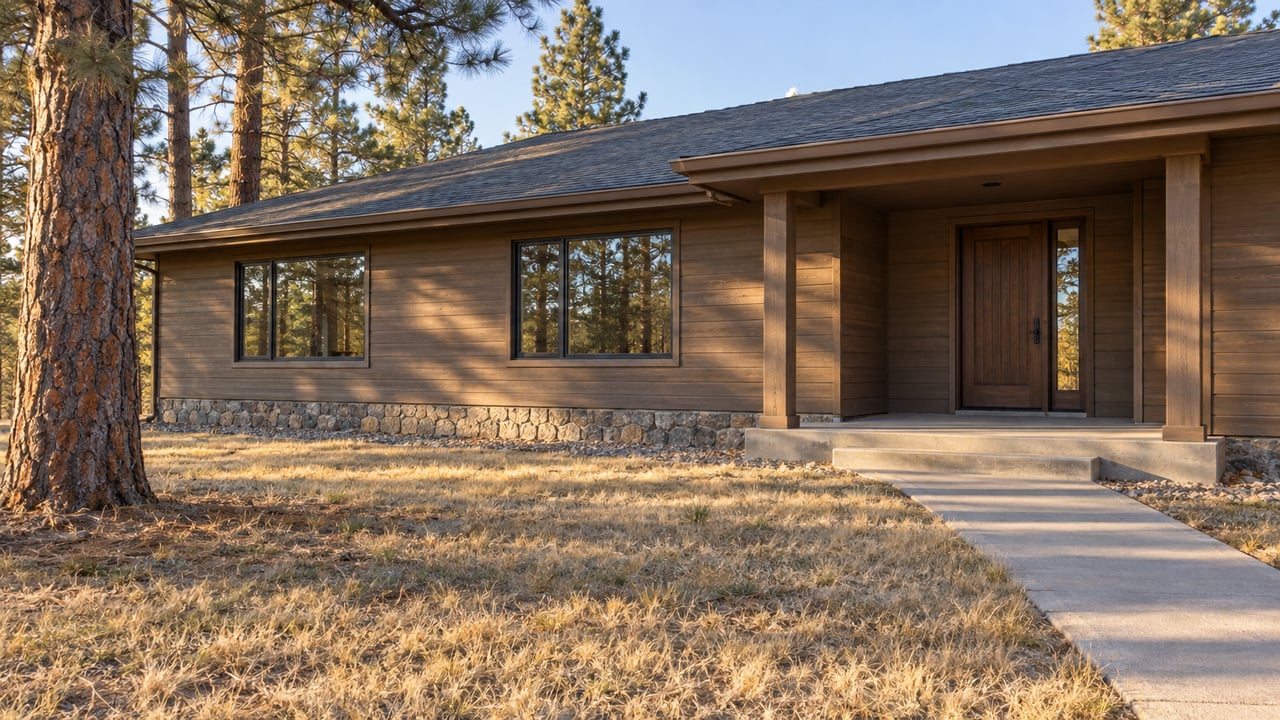
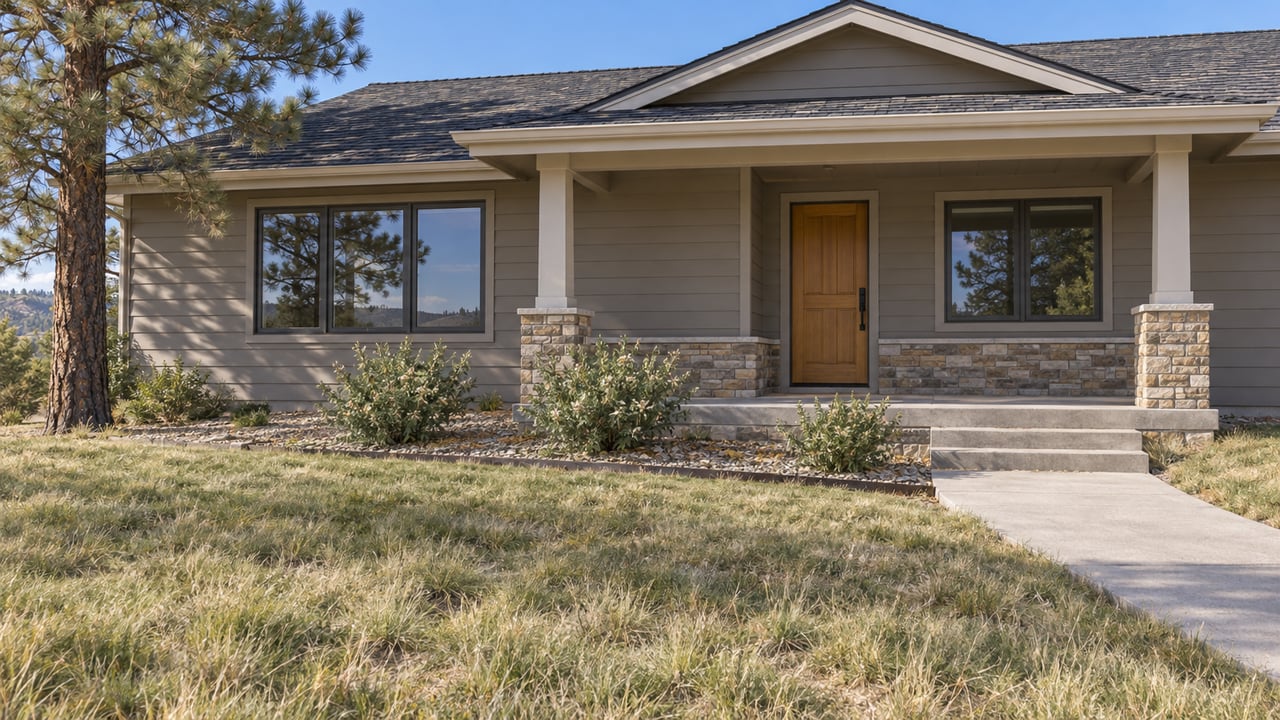
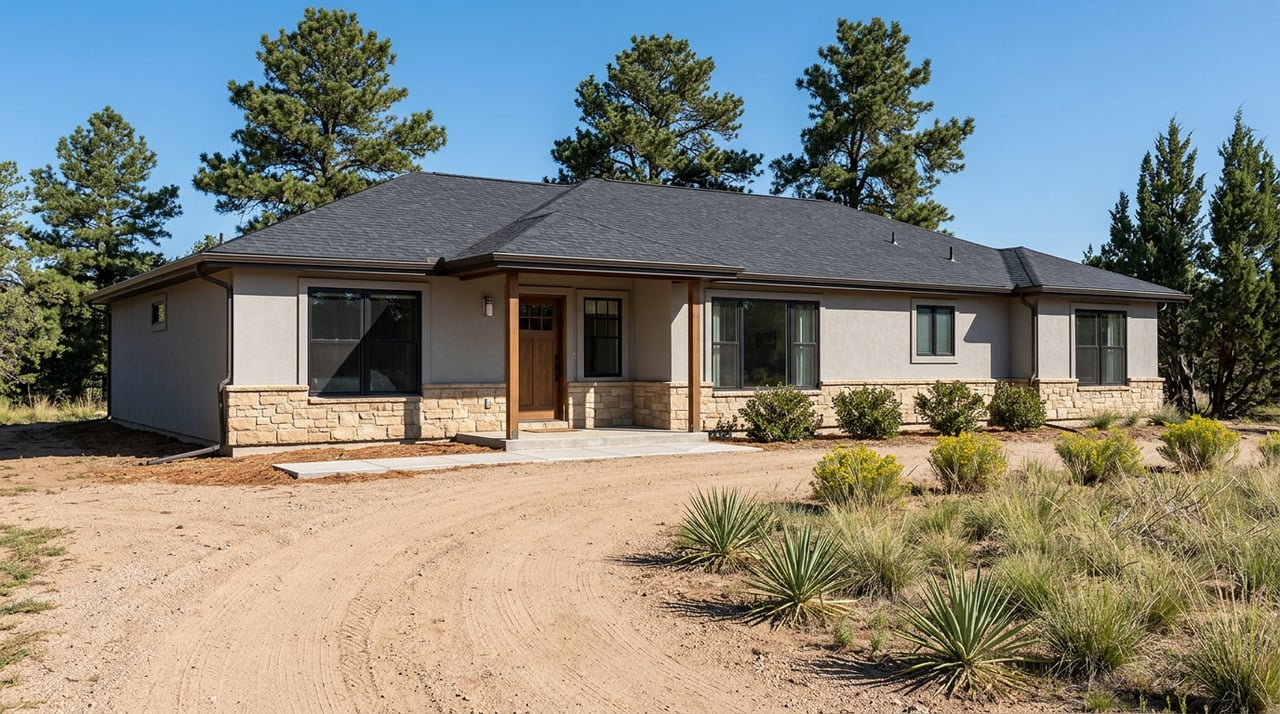
Most listings marketed as “acreage” in and around Monument range from about 1 to 3 acres in established subdivisions, with 3 to 5 acres and larger rural tracts also available. You’ll see wooded lots near the foothills, open meadows, and a mix of terrain.
Common features include walkout basements, large garages or RV bays, fenced pastures, and accessory buildings like barns or workshops. Many parcels outside central service areas use private wells and septic systems. Equestrian‑zoned properties appear in select neighborhoods, so always verify allowed uses before you fall in love with a setup.
Utilities and services checklist
Buying acreage means confirming who provides water, sewer, power, gas, and even snow removal. It varies block by block, so verify by address rather than guessing.
Water and sewer basics
Parts of Monument rely on special districts for water and wastewater. A large portion of the unincorporated area is served by Woodmoor Water & Sanitation District, and several districts send wastewater to the Tri‑Lakes Wastewater Treatment Facility. It is smart to confirm your parcel’s service district early through district resources like the Woodmoor Water & Sanitation overview and your title work.
If the home is within town limits, the Town of Monument may provide utilities. If it is outside town limits, expect special districts or private systems. Some properties near collector lines may face rules that require sewer hookup in certain cases. Historic guidance in the region has cited a 400‑foot threshold, so it is wise to verify the current standard for your specific address.
Private wells and septic systems
Private wells and on‑site wastewater treatment systems (OWTS, often called septic) are common on acreage. In Colorado, well permits and allowed uses are regulated at the state level, and the county enforces OWTS rules. As a buyer, you should require the well permit number, any well completion report, and current water test results before removing inspection contingencies. El Paso County Public Health provides guidance on testing and system requirements. Start with the county’s well and OWTS resources, and use the county site to confirm OWTS permitting and transfer steps for a sale through Public Health and permitting pages.
For septic, budget for an inspection and pumping during due diligence. Ask for permit records, service history, and any available certificate of compliance. Your offer should include a clear OWTS inspection condition if the home relies on septic.
Power, gas, and internet
Electric service in many Monument and wooded‑acreage areas is provided by Mountain View Electric Association. Natural gas is commonly Black Hills Energy in parts of the area. Some rural parcels use propane. Availability depends on the address and service territory, so confirm utility maps during due diligence.
Internet and cell coverage vary by neighborhood and terrain. Some areas have cable or fiber, while others use DSL, fixed wireless, or satellite options like Starlink. Check provider availability by address and test mobile coverage at the property before you decide.
Access, roads, and snow
Confirm whether your driveway or neighborhood road is public or private. Private roads can affect snow removal, maintenance costs, and emergency access. El Paso County outlines driveway and access permit needs and can guide you on site constraints like slope. Review the county’s planning and development FAQs for a sense of process and timelines.
Zoning, HOAs, and building rules
Acreage rules depend on whether a parcel is inside town limits or in unincorporated El Paso County, and whether an HOA is involved. Do not assume. Verify early.
Town vs. unincorporated county
If the parcel is unincorporated, county land‑use rules apply and services are often delivered by special districts for water, sanitation, fire, or metro services. If it is within the Town of Monument, town codes apply. You can confirm jurisdiction and district taxes by pulling the county’s property and district records through tools like the El Paso County property search.
Permits and sitework
For new builds, additions, or significant site changes, plan for permits. The county typically requires proof of legal water and legal sanitation, driveway permits where needed, and engineered plans for steep or constrained lots. If there is no central water or sewer, you will need to address well permitting and septic design before construction. The county’s planning and development FAQs explain submittals and contacts.
Budget for soils testing, potential over‑excavation, and tree clearing if you are on a wooded slope. These items can impact your foundation type and drainfield design.
HOAs and covenants
Many Monument‑area acreage neighborhoods have covenants and an Architectural Control Committee that regulate animals, outbuildings, accessory structures, and building envelopes. Always review CC&Rs and ACC guidelines before you write an offer. As an example, the King’s Deer HOA provides online documents and an ACC process that show how design review works in a large‑lot community.
Water rights and well use
Colorado water law is unique. Well permits describe what your well can be used for, such as household use only or limited irrigation. Uses can vary by basin and acreage. Ask for any well permit numbers and completion reports, then confirm allowed uses and testing needs with county resources that point to state regulations. Start with El Paso County Public Health guidance and consult your well professional as needed.
Wildfire and insurance
Monument sits in the wildland‑urban interface. That means wildfire mitigation is part of smart ownership on treed lots. The Tri‑Lakes Monument Fire Protection District promotes Firewise programs, chipping events, and home assessments. Learn about programs and neighborhood efforts through the Tri‑Lakes Monument Fire Protection District listing.
Insurance carriers weigh wildfire risk when quoting coverage. Premiums and requirements can vary by location, vegetation, access, and hardening features like roofing and defensible space. Talk to insurers early, and consider a mitigation visit before you remove contingencies.
Commute, schools, and recreation
From Monument, you can reach central Colorado Springs in 20 to 30 minutes in typical conditions, per regional drive-time data. Denver commutes are longer and more weather dependent. Many buyers choose Monument for its balance of space and access.
Public schools in the area are served by Lewis‑Palmer School District 38. You can learn more about district resources at the Lewis‑Palmer District site. Outdoor options include local trails and open spaces, with fast access to Front Range hiking, biking, and regional parks.
Monument acreage buyer checklist
Use this quick list during your search and again during due diligence.
- Confirm service districts and maps for water, sewer, fire, and electricity. Pull county property and district records through the El Paso County property search.
- Request the well permit number and any completion report. Get current water test results before you remove inspection contingencies. Review testing guidance from El Paso County Public Health.
- Verify septic details: OWTS permit, operation and maintenance records, and a septic inspection for transfers. Check county permitting through El Paso County sites.
- Pull any HOA CC&Rs and ACC rules. Confirm permitted uses for animals, outbuildings, and accessory structures. See an example document library at King’s Deer HOA.
- Confirm driveway and access needs, emergency vehicle access, and who handles snow removal. Review the county’s planning and development FAQs for access and permit contacts.
- Ask for recent utility bills, including any district water or sewer fees if applicable. District websites post rate notices and tap fee updates. Reference the Woodmoor Water & Sanitation District overview as a starting point.
- Get a wildfire mitigation assessment and talk with insurance carriers about coverage conditions and premiums. See programs through the Tri‑Lakes Monument Fire Protection District.
- If you plan to build, budget for soils and geotechnical reports, foundation considerations, and drainfield constraints. The county’s planning FAQs outline submittal basics.
Next steps
Buying acreage in Monument rewards careful prep. Focus on utilities, wells and septic, access, wildfire planning, and any HOA rules so you know exactly what you are getting. When you line up these pieces early, you avoid surprises and protect your budget.
If you want a local partner who knows Monument acreage, zoning, and rural services, reach out. We will help you target the right neighborhoods, verify the details, and move at your pace. Connect with Janet Mall to get started today.
FAQs
What is a typical Monument acreage lot size?
- Many acreage listings in Monument range from about 1 to 3 acres, with 3 to 5 acres and larger rural tracts also available, depending on location and subdivision.
How do wells and septic work when buying in Monument?
- Private wells and on‑site wastewater systems are common on acreage; ask for the well permit and recent water tests, plus septic permits and an inspection per El Paso County Public Health guidance.
Who provides water and sewer for Monument homes?
- Service varies by address; parts of the area use districts like Woodmoor Water & Sanitation, and multiple districts send wastewater to the Tri‑Lakes facility, while many acreage parcels use private wells and septic.
How long is the commute from Monument to Colorado Springs and Denver?
- Monument to central Colorado Springs is about 20 miles and typically 20 to 30 minutes in normal conditions, based on regional drive-time data; Denver commutes are often 60 minutes or more with traffic and weather.
What should I know about wildfire risk and insurance for Monument acreage?
- Monument lies in the wildland‑urban interface; use Firewise practices, consider a mitigation assessment, and talk with insurers early to understand coverage and potential requirements, starting with the Tri‑Lakes Monument Fire Protection District.