If you have ever fallen for a historic home in Manitou Springs, you already know the appeal is hard to ignore. The porches, stonework, wood windows, and one-of-a-kind details can make a house feel more like a piece of local history than just another property. But buying an older home here takes more than a quick walk-through, and this checklist will help you spot the issues, questions, and planning steps that matter most before you write an offer. Let’s dive in.
Why historic homes in Manitou Springs need a closer look
Manitou Springs has deep historic roots. It was organized as a scenic health resort in 1872, incorporated in 1876, and has had an active local historic district since 1980.
That local historic district includes subdistricts like Agate Hill, Commercial Core, High Road, Lower Washington, Midland, Minnehaha-Pilot Knob, Peakview, Ruxton, Upper Washington, West Manitou, and Log Cabin. If a home sits in one of these areas, exterior changes visible from public rights-of-way may be reviewed by the city’s Historic Preservation Commission.
That matters because a historic home purchase is not only about layout, price, and condition. It is also about understanding what you can change, what you may want to preserve, and what future repairs could involve.
The housing market adds another layer. A 2025 regional housing report listed Manitou Springs’ 2024 median sale price at $535,000, and Realtor.com described the city as a buyer’s market in March 2026. That can create opportunities for buyers, but it also makes smart due diligence even more important when repair costs and preservation rules are part of the picture.
Know what makes these homes unique
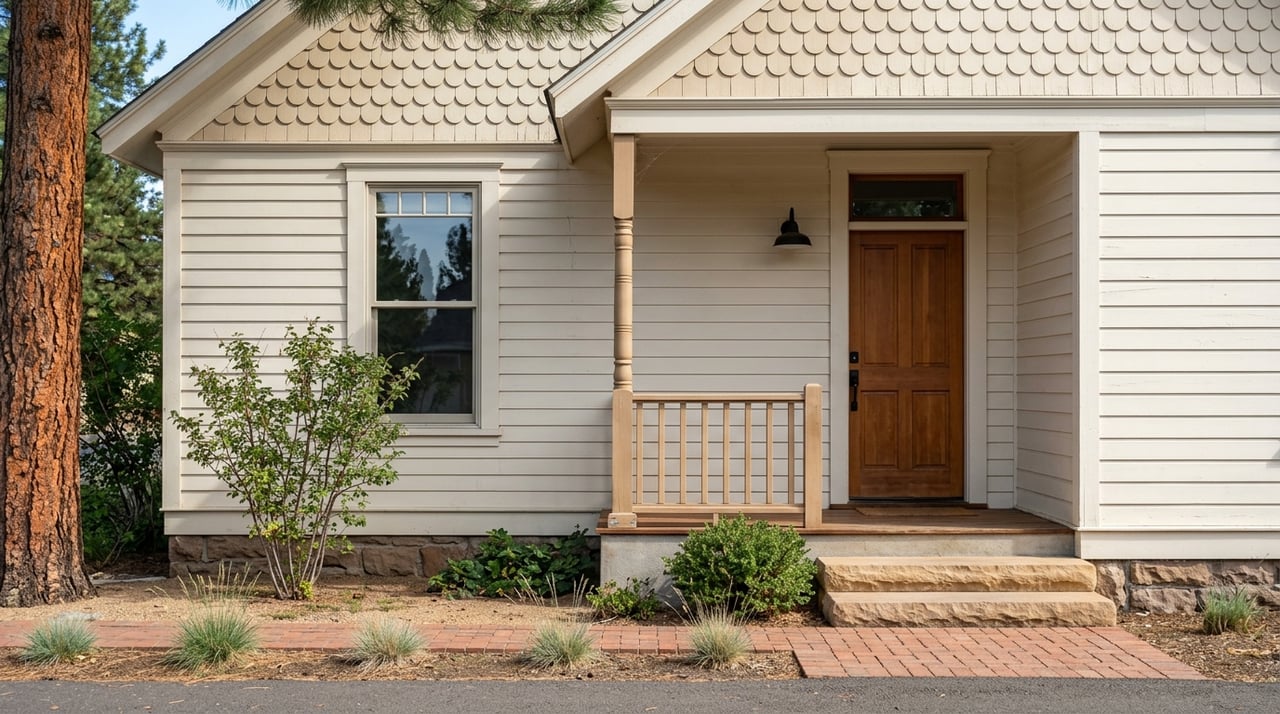
Manitou Springs does not have a single historic style. The city’s design guidelines and historic documentation point to a wide mix of architecture, including Queen Anne Victorian, Folk Victorian, Shingle, Craftsman, Italianate, Gothic Revival, Richardsonian Romanesque, Spanish Eclectic, American Foursquare, and Log Cabin forms.
You may also see site features that are part of a home’s historic character, such as stone retaining walls and grapevined mortar joints. In practical terms, that means the details you love may also be the details that need more careful inspection and more thoughtful repair planning.
Buyer checklist before you write an offer
Check drainage and moisture first
Moisture is one of the biggest threats to older homes. Before you get too focused on finishes and charm, look closely at grading, runoff, rooflines, gutters, and downspouts.
Pay special attention to the foundation, porch settlement, and retaining walls. If water is not moving away from the home correctly, it can lead to deterioration that is expensive and disruptive to fix.
Inspect masonry and stonework carefully
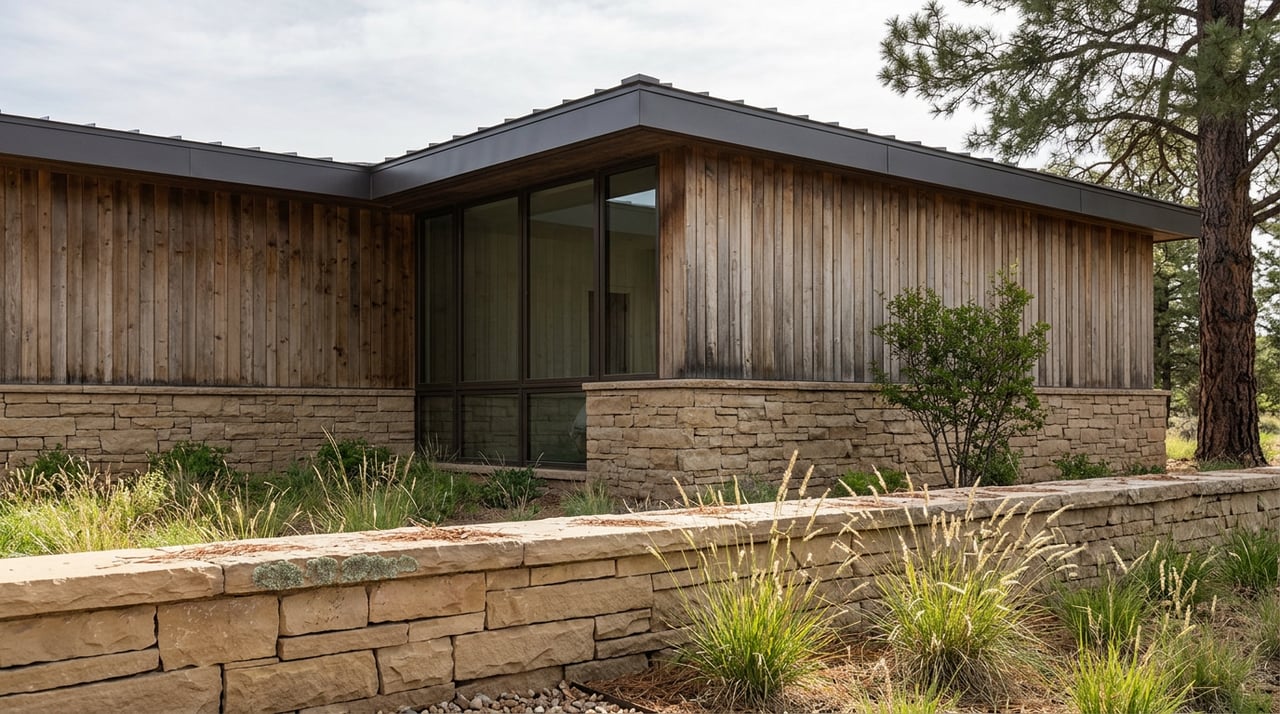
Historic masonry needs compatible repair methods. Look for cracked mortar, loose joints, spalling stone, or signs that someone used a hard modern mortar in older masonry.
Improper repointing can damage the masonry itself over time. In a place like Manitou Springs, where stonework is often part of the home’s visual appeal, this is a key area to evaluate early.
Review windows, doors, and trim
Original wood windows, doors, and porch trim often carry a big share of a historic home’s value and character. Check their condition and ask whether they have been repaired, altered, or replaced.
Older windows are not automatically a problem. Preservation guidance recommends evaluating historic windows for repair before replacement, so it helps to know what is original and what may still be restorable.
Ask about electrical, plumbing, and HVAC updates
Older homes often mix old materials with newer system upgrades. Ask when the electrical, plumbing, heating, cooling, and insulation were updated, and request as much documentation as the seller can provide.
Energy improvements in historic homes need careful planning. Preservation guidance notes that insulation is generally safest in attics and basements, where it can often be added with less risk of hidden moisture damage.
Watch for lead paint and asbestos risks
Because much of Manitou Springs’ historic housing dates to the late 19th and early 20th centuries, hazard materials are a real practical concern. The EPA says 87% of homes built before 1940 contain some lead-based paint, and older homes can also contain asbestos in materials like floor tile or pipe wrap.
That does not mean every older home is unsafe. It does mean you should ask smart questions, plan for proper testing where needed, and use qualified professionals if work will disturb older materials.
Questions to ask before you go under contract
Is the home in a local historic subdistrict?
Start here. Ask whether the property is in one of Manitou Springs’ local historic subdistricts and whether it is considered a contributing resource.
This distinction matters because the city reviews certain exterior changes in the local historic district. National Register listing alone does not automatically restrict a private owner’s use of the property in the same way.
What exterior work has already been approved?
Ask the seller what past exterior work was completed and whether that work was approved through the city’s process when required. You also want to know if there are any unresolved compliance issues.
The city’s preservation process relies on local review, and proposed work must comply with the Secretary of the Interior’s Standards for the Treatment of Historic Properties. That makes paperwork and project history especially useful during your due diligence period.
What future changes would require city review?
If you are already thinking about repainting, replacing windows, rebuilding a porch, or changing visible exterior materials, ask about review requirements before you buy. In Manitou Springs, pre-application meetings with Planning Staff are required before requests that go before the Historic Preservation Commission or City Council, unless waived by the Planning Director.
That step can affect your timeline, your renovation budget, and your expectations. It is better to know that upfront than after closing.
Which original materials matter most?
Not every old feature has the same preservation importance. Ask which materials, proportions, and design details are considered most significant to the home’s character.
That can help you decide where to spend money first. It can also help you avoid replacing a feature that adds both charm and long-term value.
Have preservation-savvy professionals been involved?
Older homes benefit from people who understand older buildings. Ask whether the home has been evaluated or repaired by inspectors or contractors with experience in stone, logs, wood siding, historic windows, or older additions.
Even when work looks fine at first glance, older materials often perform differently than modern ones. The right professionals can catch issues that a standard approach may miss.
Budget for repairs and approvals
Historic homes often need a more layered budget than newer properties. In addition to standard inspection items, you may need room for specialized masonry work, wood window repair, drainage improvements, or city review for future exterior projects.
A smart plan is to separate your budget into three buckets:
- Immediate safety or system repairs
- Near-term preservation and moisture-control work
- Future cosmetic or restoration goals
This approach helps you avoid overspending in the first year. It also keeps urgent issues, like water management or failing masonry joints, from getting buried under wish-list projects.
Look into local incentives
If the home is a contributing property in the historic district, you may have access to the Vicky Bunsen Doucette memorial mini-grant through the City of Manitou Springs. Eligible projects can include windows and doors, stonework, exterior paint and siding, gutters and downspouts, historic finishes, and life-safety-related mechanical, electrical, or plumbing work.
The city says awards can cover up to 75% of project costs, up to $2,000 per property per year, with a required owner match. The program is reimbursement-based, not retroactive, and no work may begin before approval.
Colorado preservation tax credits and State Historical Fund grants may also be available for some properties and project types. Because eligibility depends on the property’s designation and the scope of work, it is wise to contact preservation staff early if you think you may pursue those options.
Build the right inspection team
A standard home inspection is important, but it may not be enough for a historic property. For many buyers, the safest move is to pair a general inspection with specialists who understand older buildings and materials.
Depending on the home, that team may include:
- A roofer
- A mason
- A lead-safe contractor
- An asbestos professional, if needed
This step can give you a clearer picture of true repair costs before you commit. It can also help you prioritize work in a way that protects the home’s historic features.
Local resources that can help
You do not have to figure everything out on your own. Buyers in Manitou Springs can benefit from local resources such as the City of Manitou Springs Planning Department, the Historic Preservation Commission, History Colorado’s preservation office, and the Manitou Springs Heritage Museum’s archives and research collections.
These resources can help you confirm district status, review guidelines, understand project approvals, and learn more about a home’s background. For older homes, good information is often just as valuable as a good inspection.
A smart way to buy a historic home
Buying a historic home in Manitou Springs can be incredibly rewarding, but the best experience starts with realistic expectations. You are not just buying square footage. You are buying craftsmanship, maintenance history, city review considerations, and a property with details that may need a more careful approach.
If you want help evaluating homes in Manitou Springs, comparing repair tradeoffs, or building a plan that fits your budget and timeline, Janet Mall is here to help with local guidance and responsive support.
FAQs
What should I inspect first when buying a historic home in Manitou Springs?
- Start with moisture-related issues such as drainage, foundation condition, roof, gutters, downspouts, porch settlement, and retaining walls, because uncontrolled moisture is a major cause of deterioration in historic homes.
What does local historic district status mean for a Manitou Springs homebuyer?
- If the home is in a local historic subdistrict, exterior changes visible from public rights-of-way may be reviewed by the city’s Historic Preservation Commission, so you should confirm district status before planning renovations.
What repair issues are common in older Manitou Springs homes?
- Common concerns include deteriorated masonry, damaged mortar joints, aging windows and trim, outdated mechanical systems, drainage problems, and possible lead-based paint or asbestos in older materials.
Are there grants for historic homes in Manitou Springs?
- Yes, contributing properties in the historic district may qualify for the city’s Vicky Bunsen Doucette memorial mini-grant, which can reimburse part of approved project costs up to the program limits.
What professionals should inspect a historic home in Manitou Springs?
- In addition to a standard home inspector, you may want a roofer, mason, lead-safe contractor, and asbestos professional if the home’s age, materials, or condition suggest added risk.
How can I find out whether a Manitou Springs historic home is a contributing resource?
- You can start by checking with the City of Manitou Springs Planning Department or Historic Preservation Commission, which can help confirm whether a property is in a local historic subdistrict and how its status may affect future exterior work.