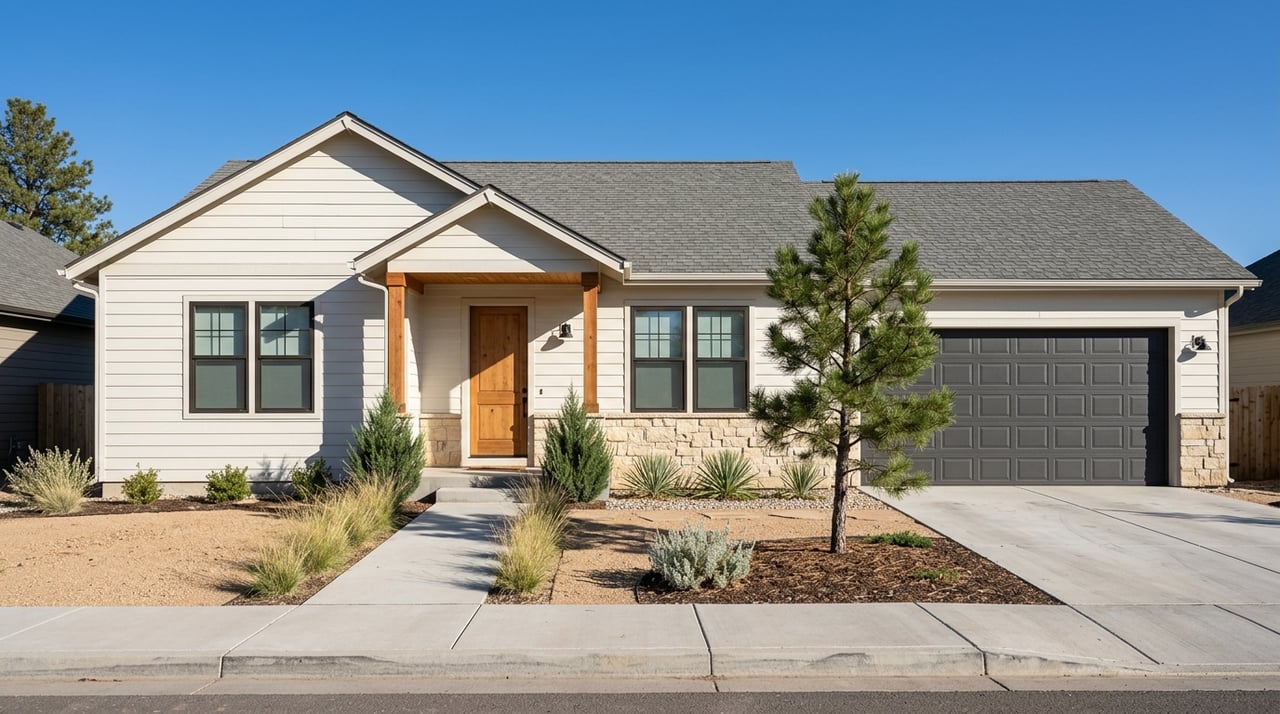
If you want a Colorado town that feels active, polished, and still rooted in a real downtown, Castle Rock often lands on the shortlist. For many buyers, the big question is whether it feels more like a commuter suburb, a small town, or something in between. The answer is a bit of both, and that balance is a big part of the appeal. In this guide, you’ll get a practical look at daily life, housing, commuting, and what to expect if you’re considering a move. Let’s dive in.
Castle Rock at a Glance
Castle Rock is a fast-growing town in Douglas County with an estimated population of 83,815 in 2025. Even with that growth, the town continues to describe itself as a community focused on managed growth, small-town character, and preserving its identity.
That mix shapes the overall feel. You get a historic core, newer planned development, and strong access to recreation. For many people, Castle Rock feels less like a dense suburb and more like a growing town with room to breathe.
Daily Life in Castle Rock
One of the biggest draws is how easy it is to build a routine around everyday conveniences and outdoor time. Castle Rock gives you a town center with events and local gathering spaces, plus shopping and services that support daily life without feeling overly urban.
The town’s historic downtown is a major part of that experience. It has grown from its 1870s roots into a center for shopping, dining, events, and community activity, while still keeping a distinct identity.
Downtown Has a Real Community Feel
Downtown Castle Rock is more than a postcard area. Festival Park, in the center of downtown, hosts events like First Fridays, the Farmers Market, and the Western Heritage Welcome. The park also includes a pavilion, fire pits, a splash pad, lawn space, picnic areas, and Wi-Fi.
That matters in day-to-day life because it gives you a place people actually use. Instead of downtown being just a pass-through area, it functions as a true activity hub. The namesake Rock also adds a recognizable landmark and a nearby hike with views over the district.
Errands and Shopping Are Straightforward
For practical living, Castle Rock offers a good mix of shopping and services. The Outlets at Castle Rock are a major retail draw, with apparel, outdoor gear, home goods, accessories, and dining all in one open-air setting.
Downtown parking is also relatively easy to navigate, with free public parking structures and lots around the historic core. If you value convenience for quick errands, casual shopping, or meeting up downtown, that can make a noticeable difference.
Outdoor Access Is Part of the Lifestyle
If you like trails, parks, and open space, Castle Rock stands out. Town sources report either 104 miles of trails, 25 parks, and more than 4,000 acres of open space, or 87 miles of trails, 50 parks, and more than 6,000 acres, depending on the page and how amenities are counted.
While the totals vary by source, the takeaway is clear. Outdoor access is not a side feature here. It is a core part of how many residents spend their time.
What That Means for Everyday Living
In practical terms, you’re likely to notice how easy it is to add outdoor time to your week. Walking trails, open space, and community parks are woven into the town’s layout and identity.
The town also highlights places like Miller Park and Rueter-Hess Reservoir as recreation resources. If your ideal home base includes quick access to trails and fresh air, Castle Rock supports that lifestyle well.
Commuting in Castle Rock
Castle Rock sits on the I-25 corridor between Denver and Colorado Springs, which makes location one of its biggest advantages. It can work well if your life or work pulls you north, south, or a bit of both.
At the same time, commuting here is mostly built around driving. That’s important to understand before you move.
Expect a Car-Dependent Routine
Castle Rock voters opted out of RTD in 2005, and the town’s Transportation Master Plan notes that transit options have been studied for the future. Right now, alternatives are limited, with town-supported transportation programs focused on eligible residents and senior transportation support.
The town has also discussed a future Bustang stop, but the nearest existing stop is at RidgeGate Station in Lone Tree. For most residents, that means daily mobility still centers on your car.
Regional Access Is a Big Selling Point
The I-25 corridor is a major route through the area. Castle Rock planning materials note that about 70,000 vehicles travel I-25 daily through town, and CDOT identifies the South Gap as an important regional stretch between Monument and south of Castle Rock.
The town is also involved in major mobility planning and interchange improvements, including the Crystal Valley interchange project expected to finish in 2027. If you need regional access, Castle Rock is strategically placed, but traffic patterns should still be part of your decision.
What Housing Feels Like in Castle Rock
Castle Rock is still, at its core, a detached-home market. According to the town’s consolidated plan using ACS data, 74% of housing units are 1-unit detached homes.
Other housing types are present, but in smaller shares. Attached homes account for 8%, buildings with 2 to 4 units make up 2%, buildings with 5 to 19 units make up 8%, and buildings with 20 or more units make up 7%.
Detached Homes Still Lead the Market
If you picture Castle Rock as primarily a single-family home community, that is still accurate. The town’s 2026 budget notes that Castle Rock has historically been considered a single-family home community, even as more multifamily projects have been added over the last decade.
That makes Castle Rock a strong fit for buyers who want a more suburban residential pattern. You’ll still find variety, but the overall feel remains grounded in detached housing and neighborhood-style development.
Newer Options Are Expanding
Castle Rock is not frozen in time. The town says it has averaged about 780 single-family homes and 150 multifamily units built each year over the past 25 years, with current planning focused on growth areas such as the Southwest Quadrant west of I-25 and south of Plum Creek Parkway.
Downtown also includes some newer mixed-use housing activity, such as The View redevelopment, which is planned to include loft units. So while detached homes dominate, you do have some attached and mixed-use choices if you want lower-maintenance living or a location closer to the downtown core.
Cost of Living and Home Prices
Castle Rock tends to read as a higher-cost suburban market. Census estimates put median household income at $145,197, median owner-occupied home value at $652,900, median monthly owner costs with a mortgage at $2,787, and median rent at $2,000.
Recent market snapshots also point to pricing in the mid-$600,000s to low or mid-$700,000s, depending on the source and method used. Redfin reported a median sale price of $643,668 for the three months ending April 2026, Zillow reported a typical home value of $658,407 as of January 31, 2026 and a median sale price of $660,000 in December 2025, and Realtor.com reported a median listing price of $725,000 in May 2026.
What Buyers Should Take From That
If you are considering Castle Rock, it helps to enter the search with realistic budget expectations. This is usually not positioned as an entry-level market, especially for detached homes.
That said, price point and housing style still vary by area, age of home, and property type. If you’re comparing Castle Rock with nearby communities, the value question often comes down to how much you prioritize downtown character, open space access, and location along the I-25 corridor.
Is Castle Rock More Historic or More New?
One of the most common questions about Castle Rock is whether it feels old-town or newly built. The most accurate answer is both, depending on where you spend your time.
The historic downtown gives the town a recognizable center and a sense of place. At the same time, growth has continued in planned development areas, especially west and south of I-25.
You Get a Preserved Core and Growth Edges
This balance is part of Castle Rock’s identity. The town’s planning language emphasizes responsible growth and character preservation, which helps explain why the community often feels more intentional than a place that simply expanded without a plan.
For you as a buyer, that means your experience can vary a lot by location. Some areas feel closer to the historic heart of town, while others reflect newer suburban development patterns and more recent construction.
Who Castle Rock May Fit Best
Castle Rock can be a strong match if you want a town with a real center, strong outdoor access, and a mostly suburban housing mix. It also makes sense for buyers who need practical access to both Denver and Colorado Springs and are comfortable with a car-based routine.
It may be especially appealing if you want:
- A historic downtown with regular events
- Lots of trails, parks, and open space
- A housing market centered on detached homes
- A community that blends growth with a preserved core
- Regional access along the I-25 corridor
If you want a more transit-oriented lifestyle or a lower-cost entry point, Castle Rock may feel less aligned. But if your goal is a growing town with amenities, outdoor culture, and a strong sense of identity, it offers a lot to like.
If you’re weighing a move to Castle Rock or comparing it with other Front Range communities, Janet Mall can help you build a clear plan, whether you need neighborhood guidance, a custom home search, or a relocation strategy that fits your timeline.
FAQs
What is daily life like in Castle Rock, Colorado?
- Daily life in Castle Rock blends a historic downtown, community events, easy shopping access, and strong outdoor recreation, with a lifestyle that feels more suburban town than dense metro area.
What kind of homes are most common in Castle Rock?
- Detached single-family homes are the most common housing type in Castle Rock, making up 74% of the town’s housing units according to town planning data.
Is Castle Rock a good place for commuters?
- Castle Rock offers strong access along the I-25 corridor between Denver and Colorado Springs, but most residents rely on driving because the town remains largely car-dependent.
Is Castle Rock expensive compared with other suburbs?
- Castle Rock is generally considered a higher-cost suburban market, with Census estimates showing a median owner-occupied home value of $652,900 and median rent of $2,000.
Does Castle Rock have a real downtown area?
- Yes. Downtown Castle Rock is the town’s historic core and includes Festival Park, community events, local businesses, public parking, and access to the Rock for views over the area.