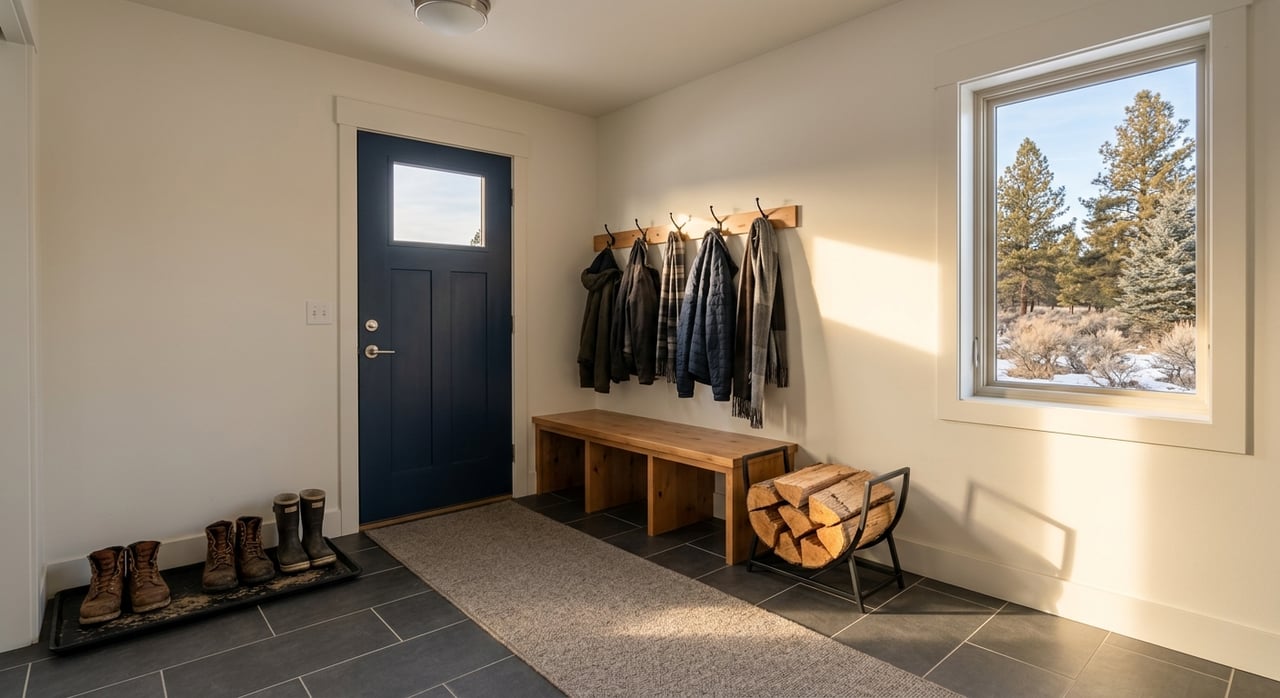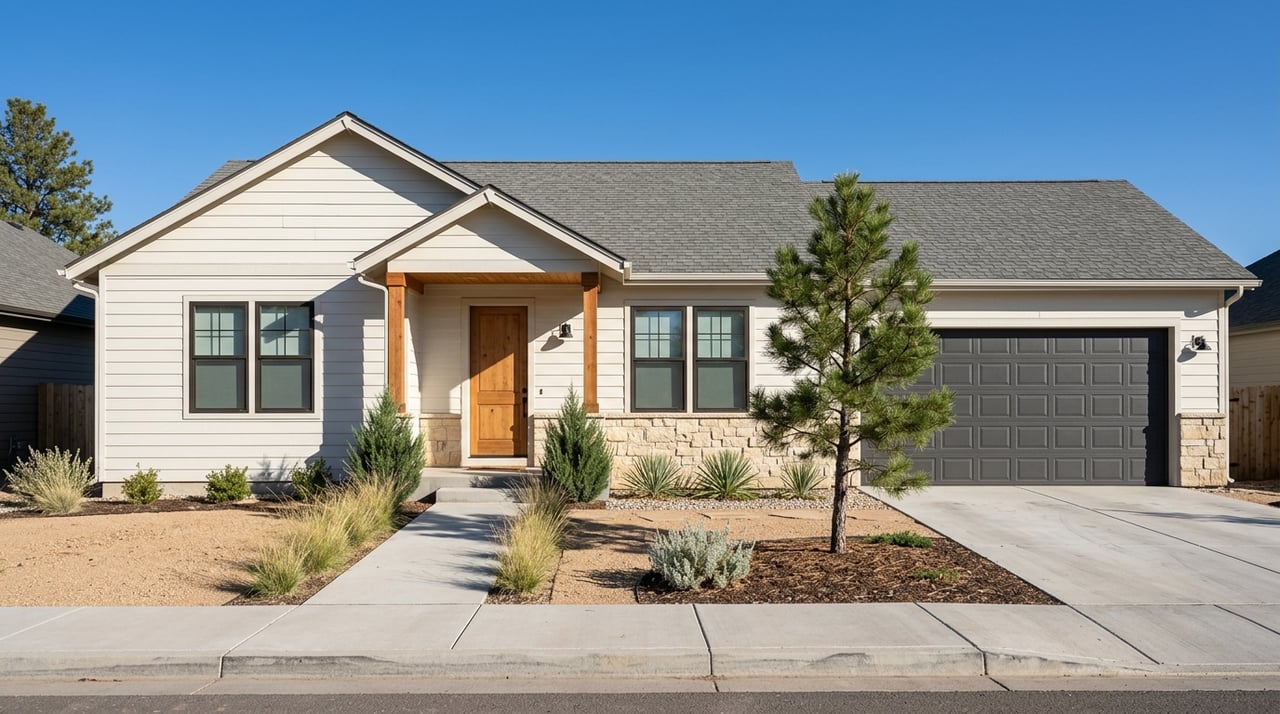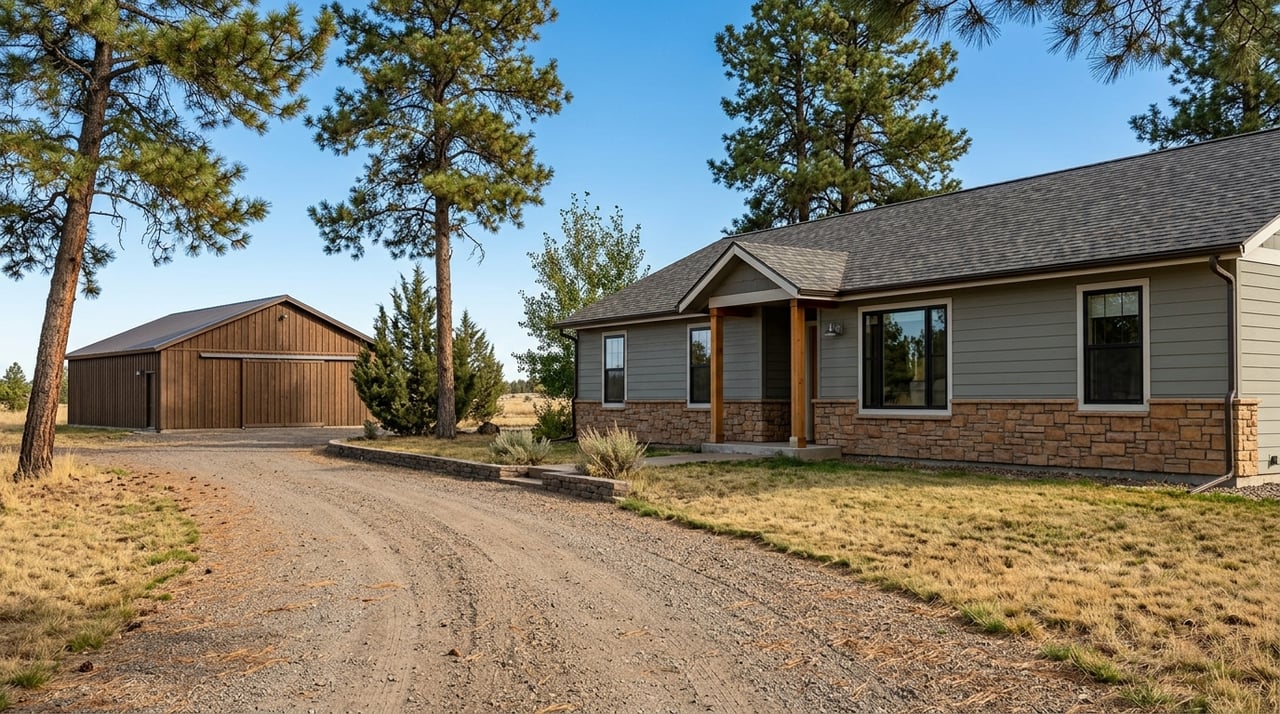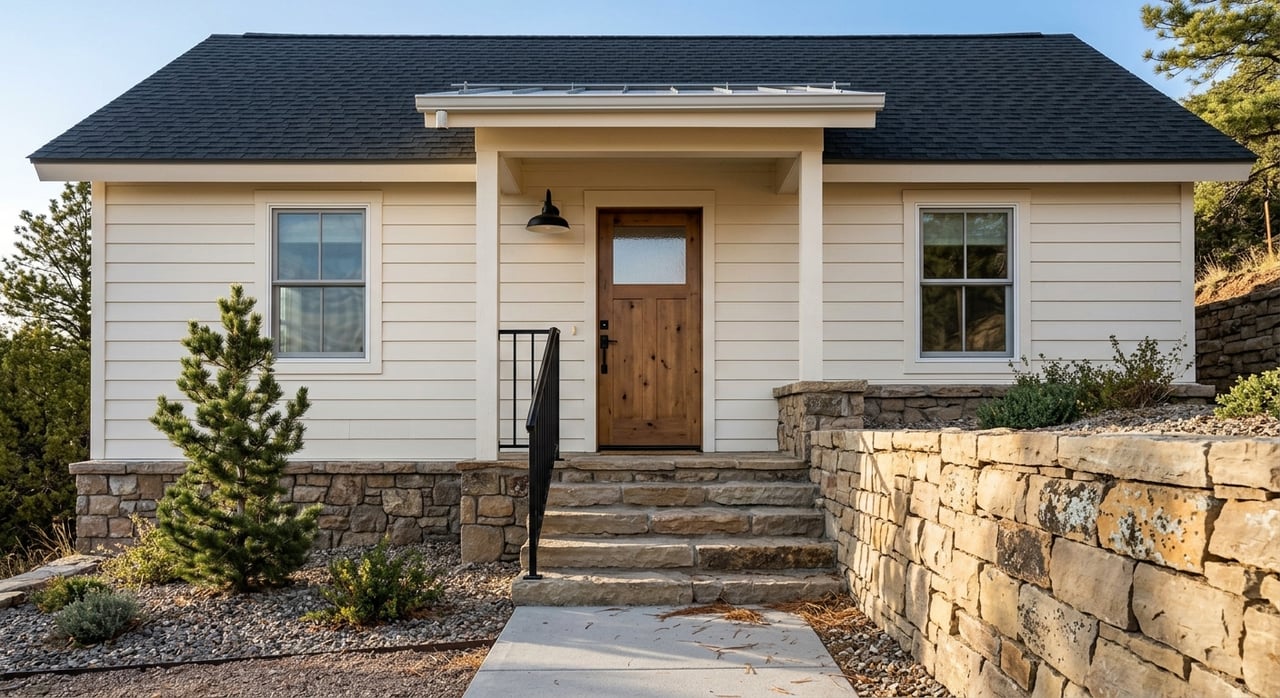
If you have been dreaming about a place where you can slip away for long weekends, mountain views, and a walkable historic core, Manitou Springs probably keeps coming up for a reason. Buying a second home here can be exciting, but it also comes with a very specific set of local factors that matter more than many buyers expect. This guide will help you think through pricing, property type, upkeep, and local rules so you can decide whether a second home in Manitou Springs fits your goals. Let’s dive in.
Why Manitou Springs draws second-home buyers
Manitou Springs has a lot of the features people want in a getaway property. Official visitor information highlights its historic downtown, Creative District, mineral springs, trail access, and a mix of lodging types that includes cabins, bed and breakfasts, campgrounds, hotels, and vacation rentals.
That mix helps explain why the area often appeals to people looking for a weekend retreat or seasonal home. You get a setting that feels distinct from day-to-day suburban living, while still staying close to Colorado Springs and the rest of the Pikes Peak region.
What the housing stock looks like
One of the biggest differences in Manitou Springs is the age and shape of the housing inventory. A city housing assessment found that nearly 40% of housing units were built before 1940, and the city has a larger share of small 2- to 10-unit structures than El Paso County overall.
For you as a buyer, that means the market may feel very different from newer neighborhoods nearby. You are more likely to see older homes, unique floor plans, and smaller multiunit buildings than large subdivisions filled with newer, similar homes.
Most new construction in the city has been single-family, for-sale housing. That can limit the amount of inventory available at any given time, especially if you are hoping for a very specific second-home setup.
What price point to expect
Budget matters even more when you are buying a property that is not your primary home. Current Census Bureau-derived profile data show 2,625 housing units in Manitou Springs and a median owner-occupied value of $561,200.
That number is not the same as an asking price for every home, but it does give you a useful benchmark. If you are exploring a second home here, it helps to plan with realistic expectations about both purchase price and ongoing carrying costs.
Budget beyond the purchase price
A second-home budget should go further than your down payment and monthly mortgage estimate. In Manitou Springs, local taxes, maintenance, and property-specific costs can all affect how comfortable ownership feels over time.
Property taxes in El Paso County
For 2026, El Paso County’s residential assessment rate is 6.8%. The County Assessor sets assessed value, and taxing authorities set mill levies.
Property taxes are collected one year in arrears. The first half is due the last day of February, the second half is due June 15, or you can pay the full amount by April 30.
If you pay late, interest accrues at 1% per month. For a second-home owner, especially one who lives elsewhere part of the year, it is smart to build those deadlines into your calendar early.
Extra costs to keep on your radar
Some costs are easy to overlook when you are focused on the purchase. In Manitou Springs, parking and trash management can become part of your ownership planning.
The city offers a non-resident owner parking permit for $5 per year. Residential permits are free and include guest tags and 10-day passes, which can be useful if family or friends visit often.
The city also requires wildlife-resistant trash containers if bins are stored outside before 6 a.m. or after 8 p.m. That may sound minor, but it is the kind of practical detail that matters more when a home sits vacant between visits.
Think carefully about seasonal upkeep
A second home can be fun when you are there and stressful when you are not, especially in a mountain-adjacent setting. Manitou Springs identifies flooding and flash flooding, geologic hazards, and wildfire as its three primary natural hazards.
That makes due diligence especially important. Before you buy, pay close attention to drainage, slope conditions, vegetation, and how the lot has been maintained over time.
Winterize before problems start
Colorado winters can be tough on a property that sits empty. Colorado State University Extension and Denver Water both recommend active winter planning for seasonal homes.
Key steps include:
- Keep unoccupied areas well above freezing.
- Winterize vacant or unheated buildings.
- Drain sprinkler systems and outdoor faucets before the first freeze.
- Insulate or protect pipes near exterior walls.
- Keep the thermostat above 65°F if you will be away for several days.
This matters because water damage can develop before you discover it in a vacant home. If you are shopping for a second home, ask yourself not only whether you love the property, but also how you will monitor and maintain it when you are away.
Wildfire planning is part of ownership
Wildfire planning is not just a nice idea in this area. It is part of being a prepared homeowner.
The city offers a Resident Wildfire Mitigation Grant Match Program that matches up to $500 per household for eligible vegetation removal in the wildland-urban interface. It also offers a Neighborhood Chipping Program with annual free branch disposal by zone.
Those programs can help you stay ahead of defensible-space work. If you are considering a second home on a more wooded or sloped lot, ask how much maintenance the site will realistically require each season.
Historic rules can affect your plans
Part of Manitou Springs’ charm is its historic character, but that can also shape what you can do with a property. If a home is located in one of the city’s local historic subdistricts, the Historic Preservation Commission reviews exterior alterations that are visible from the right-of-way.
The city points owners to Chapter 17 and design guidelines for alterations and new construction. There is also a mini-grant program that can cover up to 75% of eligible project costs, up to $2,000 per property per year.
If you are picturing a quick exterior remodel or visible design changes, this is worth understanding before you close. A home can still be a great fit, but you want your plans to match the local review process.
Short-term rental rules are strict
Many second-home buyers ask the same question: can I rent it out when I am not using it? In Manitou Springs, the answer depends on the property and the city’s rules, and those rules are tight.
The city defines a short-term rental as a residentially zoned property rented for 29 days or less. All new short-term rentals must be owner-occupied and used as a primary residence for at least 185 days per year.
There is also a 500-foot separation buffer from other short-term rentals, an annual permit renewal requirement, and a city business license requirement before listing. The permit expires when the property is sold or transferred, and the city caps permits at 2% of residential structures.
Permitted short-term rentals also have operating rules. Ads must include the permit number and a compliance statement, and the unit must post emergency instructions, trash information, owner or manager contact information, and safety equipment details such as fire extinguishers and carbon monoxide alarms.
For many buyers, these rules point to a clear conclusion: Manitou Springs is generally a better fit for a true owner-used second home or weekend retreat than for a purely absentee vacation-rental strategy. If rental flexibility is central to your plan, confirm permit eligibility and local requirements before you move forward.
Taxes if you ever rent the property
If the home will ever be rented short-term, tax compliance matters too. Manitou Springs currently lists a 2.0% lodging tax and a total sales tax rate of 9.03%.
The city says camping and lodging taxes are due on the 20th of the month following the revenue period. Late returns can face a 10% penalty plus interest.
Questions to ask before you buy
A second home works best when the property matches how you will actually use it. Before you make an offer, it helps to get clear on both lifestyle and logistics.
Consider questions like these:
- How often will you use the home each month or season?
- Do you want a low-maintenance lock-and-leave setup or a property with more character and upkeep?
- Are you comfortable caring for an older home?
- Does the lot raise any concerns about drainage, slope, wildfire exposure, or winter access?
- If the home is in a historic subdistrict, will that affect your renovation plans?
- If you hope to rent it at times, does the property appear to fit current short-term rental rules?
- Have you budgeted for taxes, utilities, maintenance, parking, and seasonal prep?
You should also confirm current tax treatment, title issues, HOA covenants, insurance coverage, and permit eligibility with the right Colorado professionals before closing. That extra homework can protect both your budget and your long-term plans.
Why local guidance matters
Buying a second home in Manitou Springs is rarely as simple as choosing the prettiest cabin or the best view. The right purchase depends on how often you will use it, how much upkeep you want, and whether local rules support your goals.
That is where neighborhood-level guidance can make a real difference. A local team can help you compare property types, watch for red flags in older housing stock, and narrow your search around how you want the home to function in real life.
If you are weighing a second home in Manitou Springs and want practical, local guidance, reach out to Janet Mall for a free home valuation or relocation plan.
FAQs
What makes Manitou Springs appealing for a second home?
- Manitou Springs offers a historic downtown, Creative District, mineral springs, trail access, and a setting that works well for weekend or seasonal use.
What kind of homes can you expect in Manitou Springs?
- You should expect a market with many older homes, smaller multiunit buildings, and less large-scale suburban-style inventory than other parts of El Paso County.
What is the property tax timing for a Manitou Springs second home?
- In El Paso County, property taxes are collected one year in arrears, with the first half due by the last day of February, the second half due June 15, or the full amount due April 30.
Can you use a Manitou Springs second home as a short-term rental?
- Maybe, but the city has strict rules, including owner-occupancy, primary-residence use for at least 185 days per year for new permits, spacing requirements, permit renewals, and a city cap.
What hazards should you consider with a Manitou Springs second home?
- The city identifies flooding and flash flooding, geologic hazards, and wildfire as the three primary natural hazards, so drainage, slope, and defensible space deserve close attention.
How should you winterize a seasonal home in Manitou Springs?
- You should keep the home well above freezing, drain outdoor water systems before the first freeze, protect exposed pipes, and keep the thermostat above 65°F if you will be away for several days.